Dairy
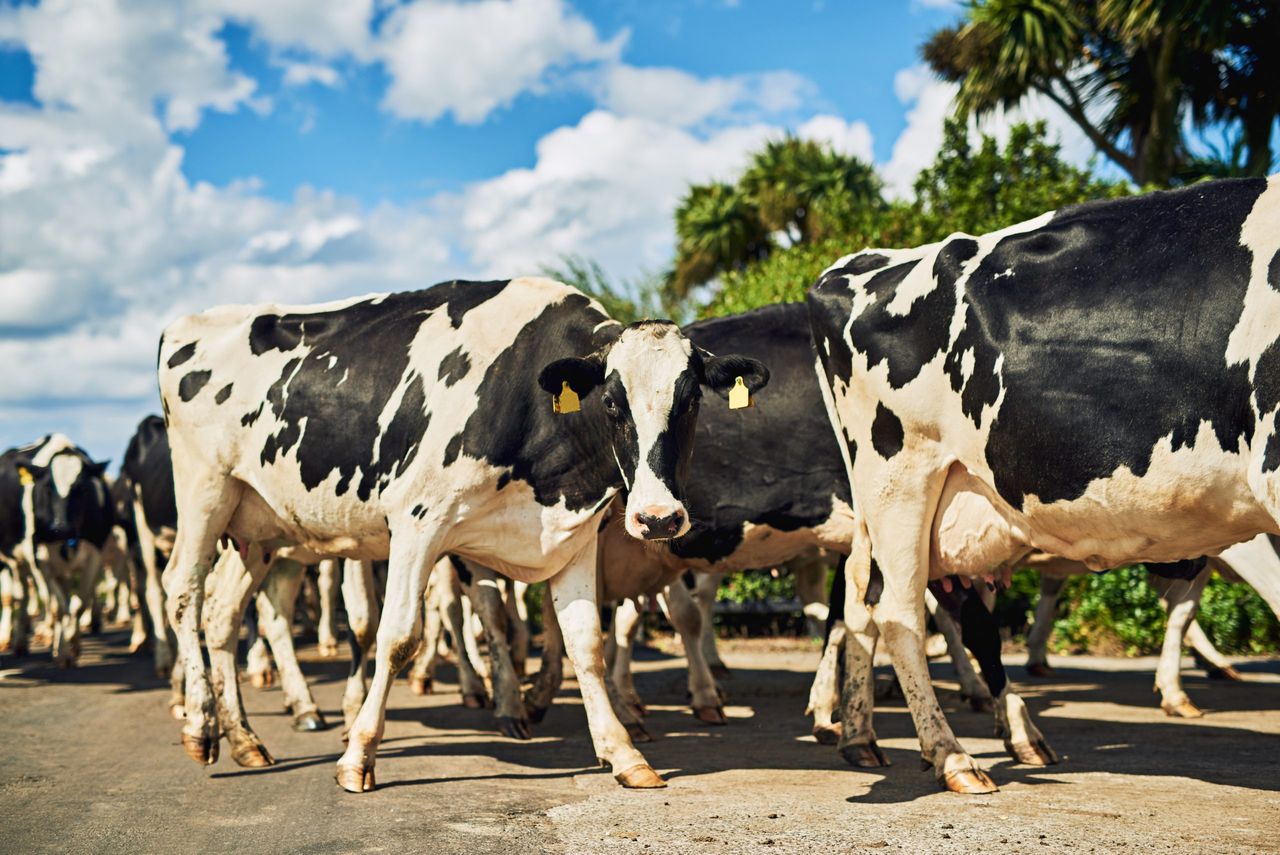
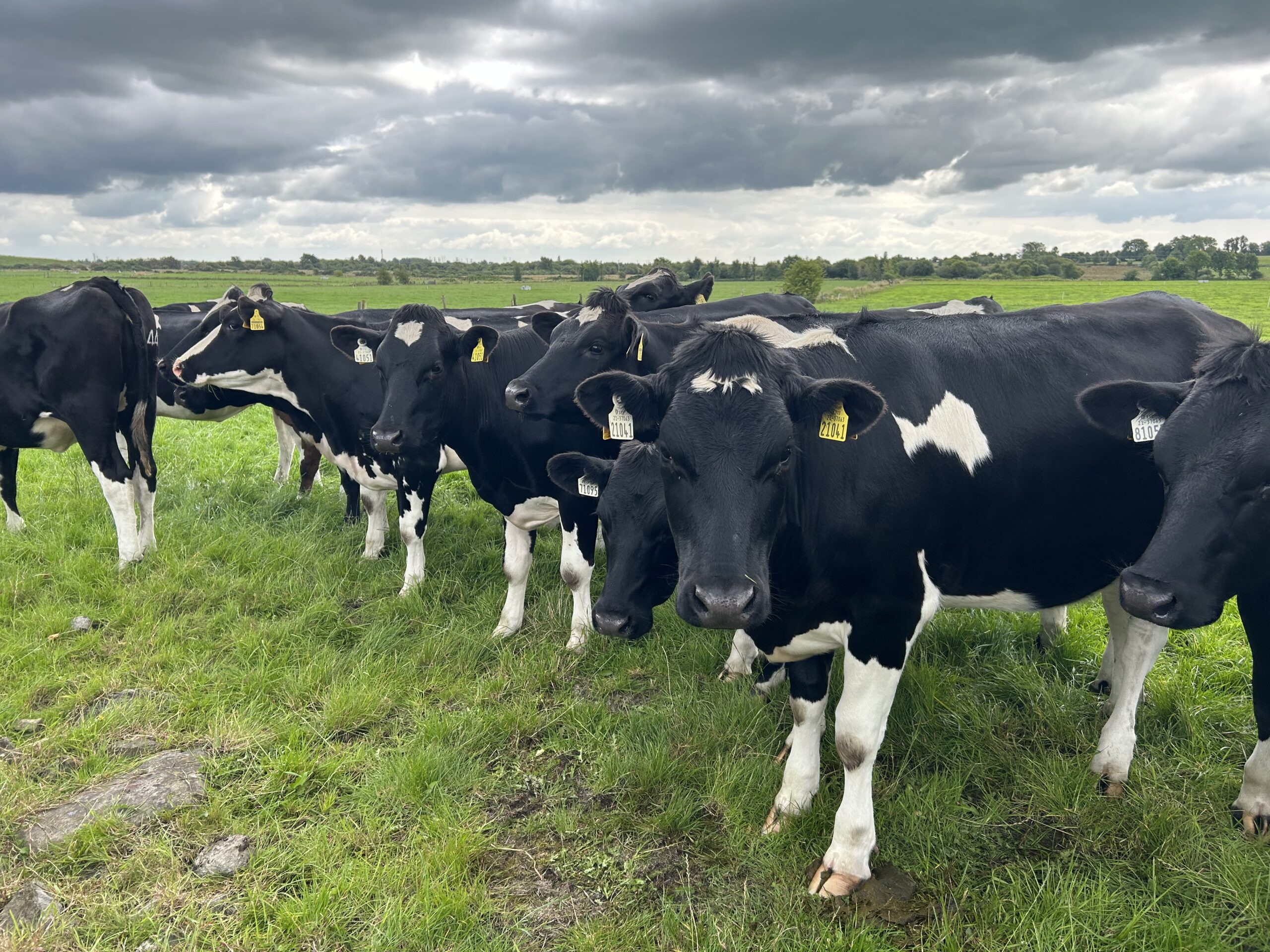
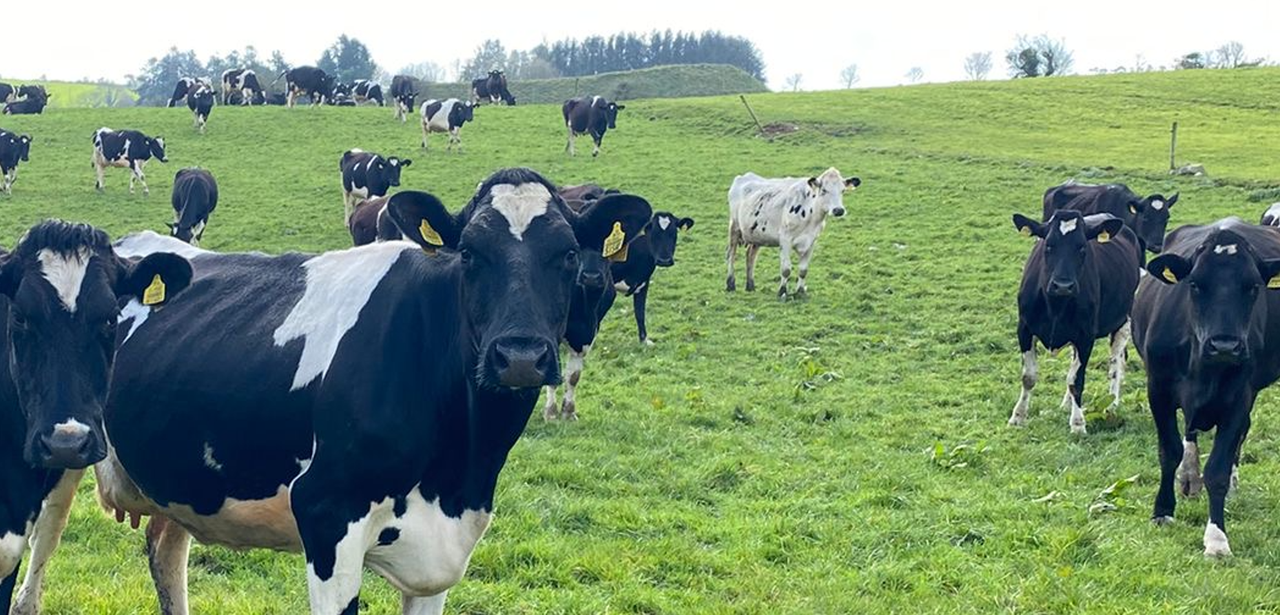
Figures from the Central Statistics Office (CSO) show that the Irish dairy herd grew last year, but it is a different story in Britain.
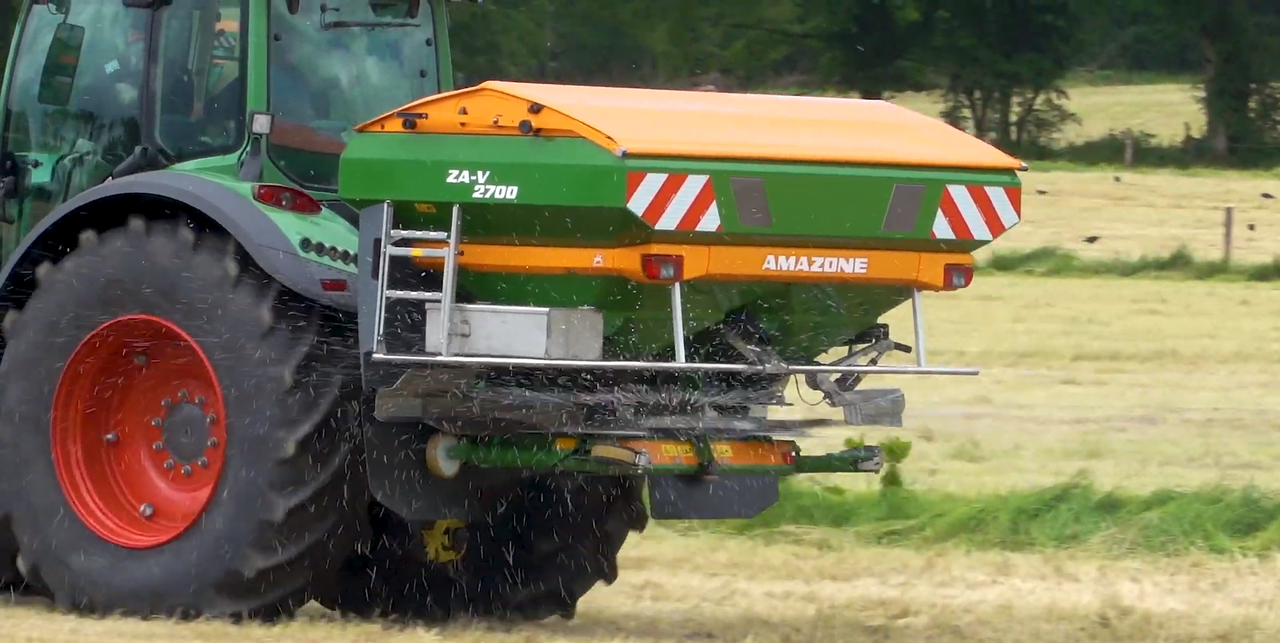
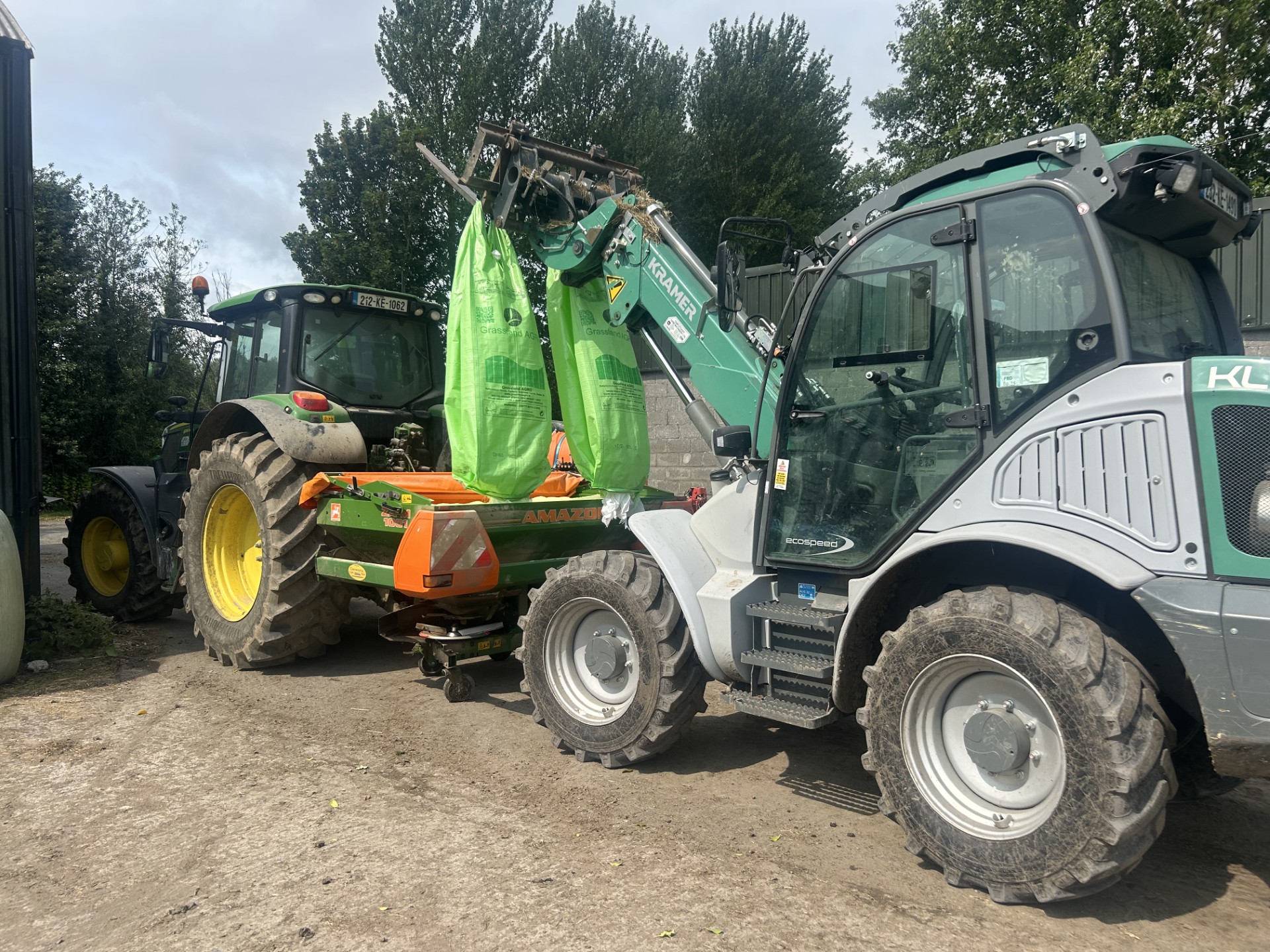
When spreading nutrients this summer, it is easy to just throw out slurry and chemical fertiliser, but it vital to remember sulphur.
Beef
After such a dry and warm week, the rainfall this week may create the perfect environment for lungworm development.
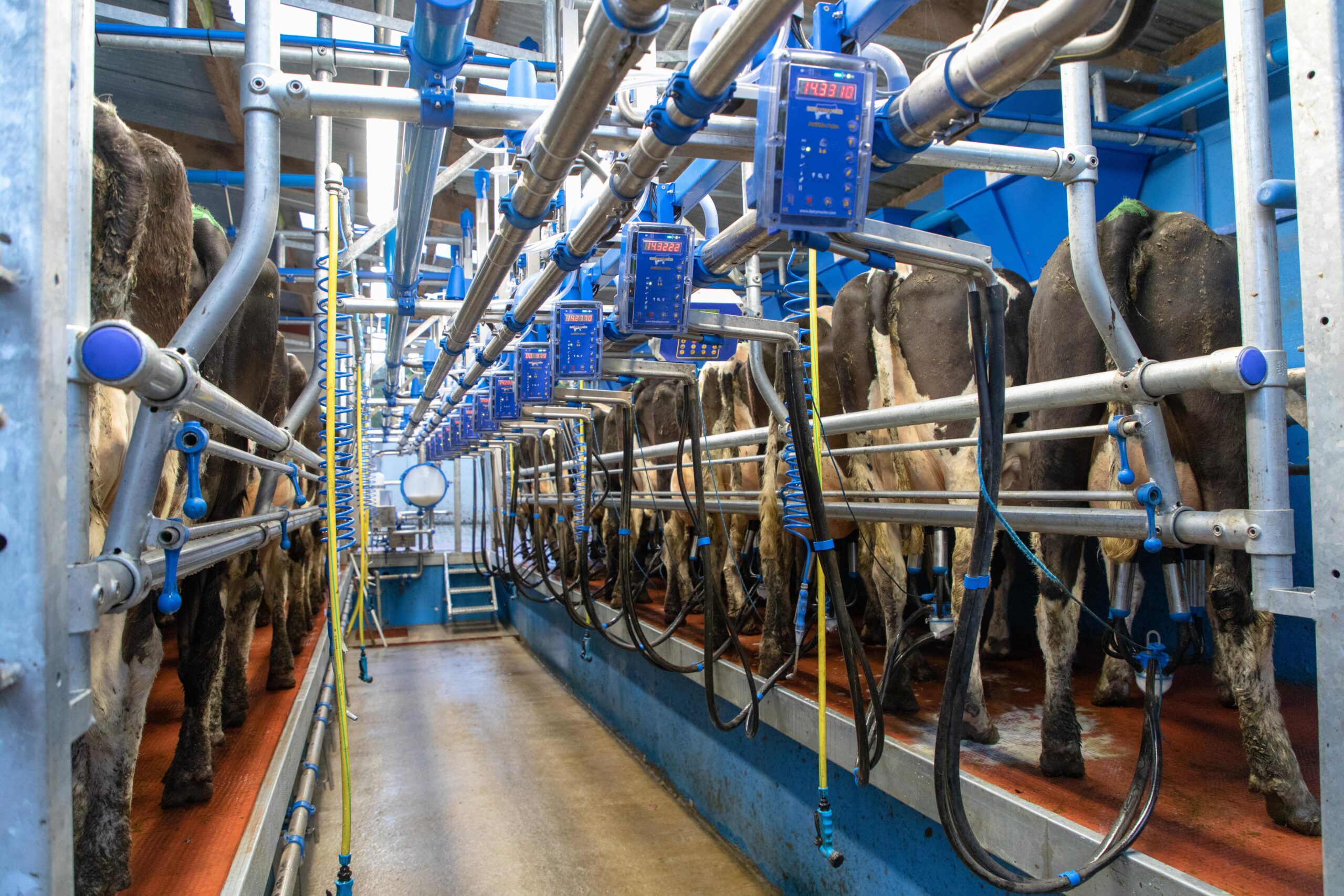
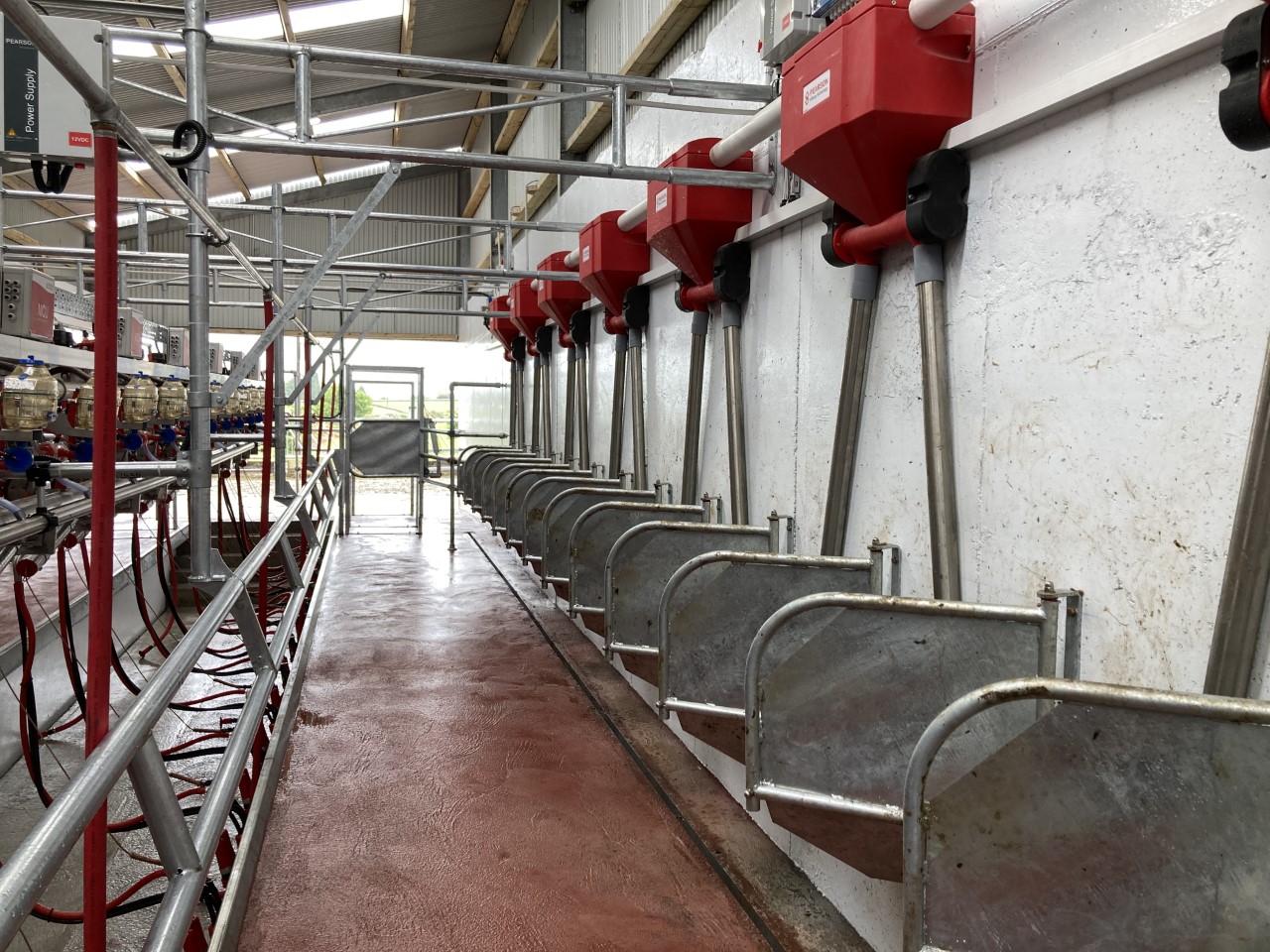
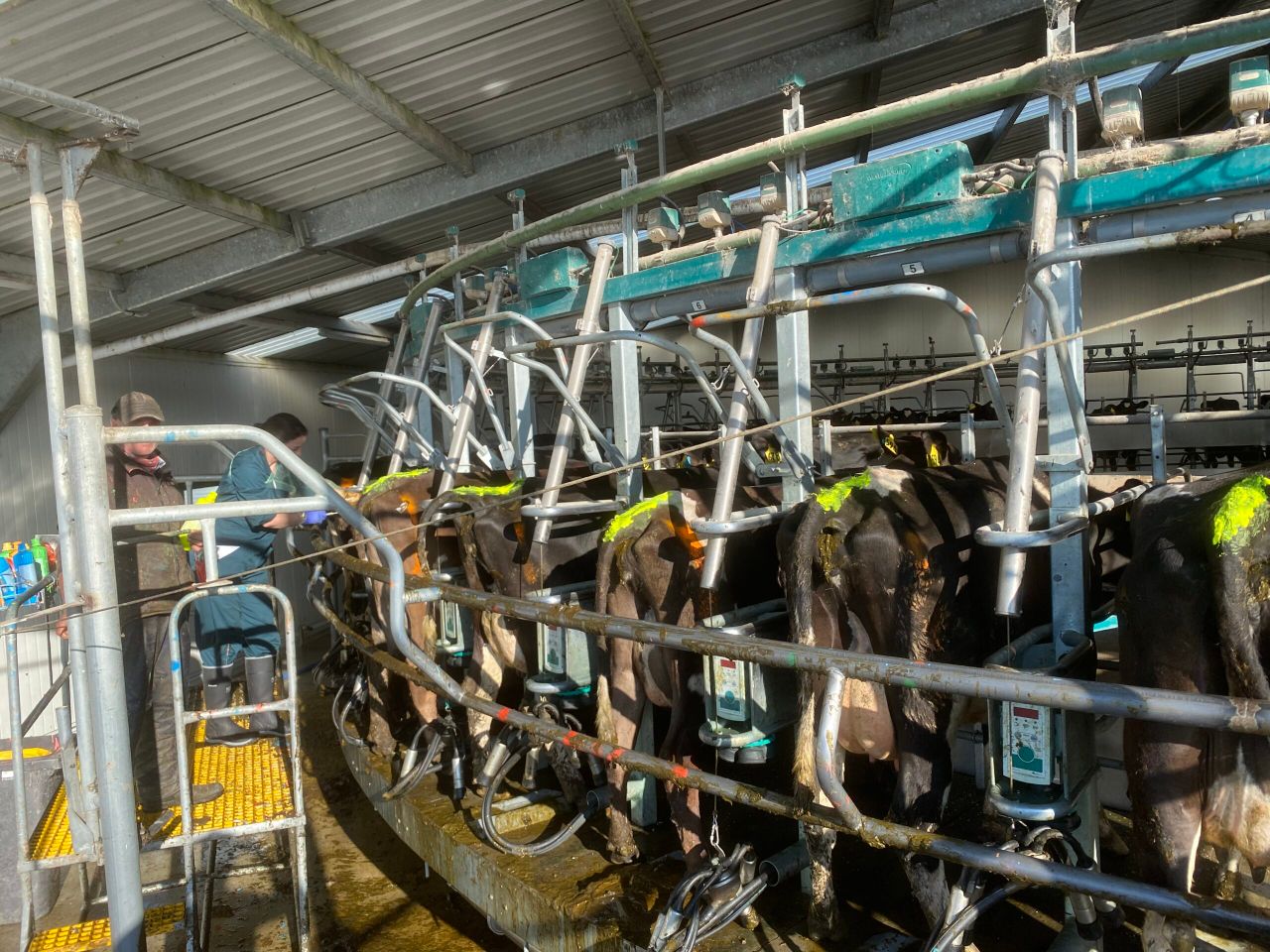
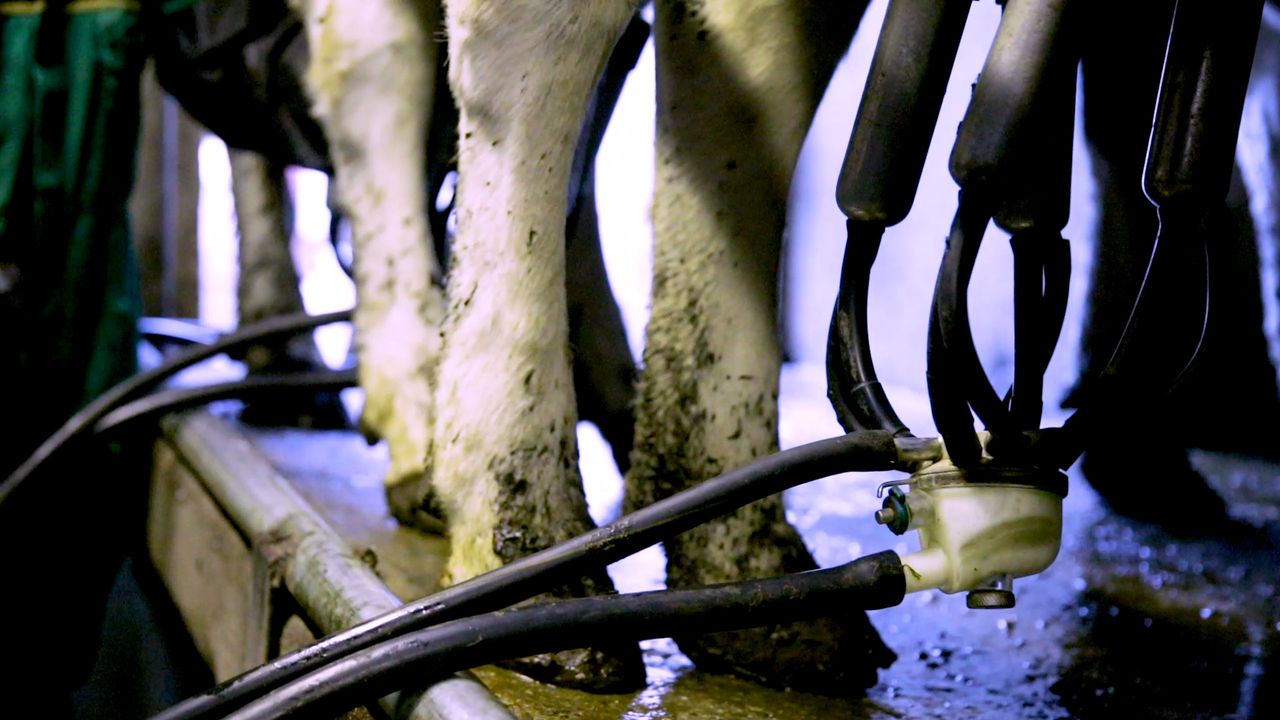
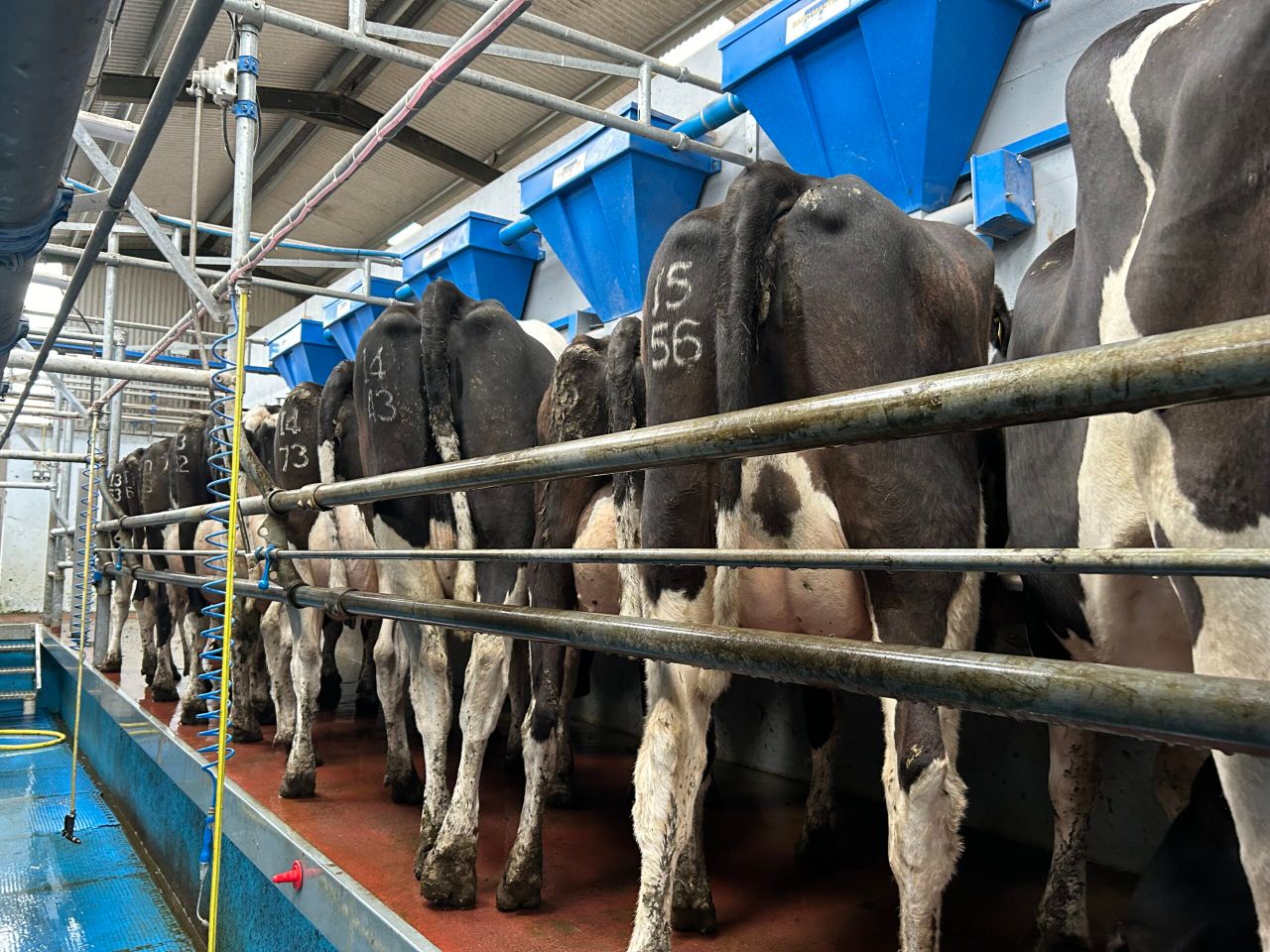
As we drift away from peak milk production, it is important to remember the role of hygiene and efficiency in the parlour.
Pathogens that cause infectious diseases are usually the biggest burden during the housing season, but the risk could be rising again.
With warm weather forecast for the week ahead, fly control must be prioritised to keep the herd in healthy condition.
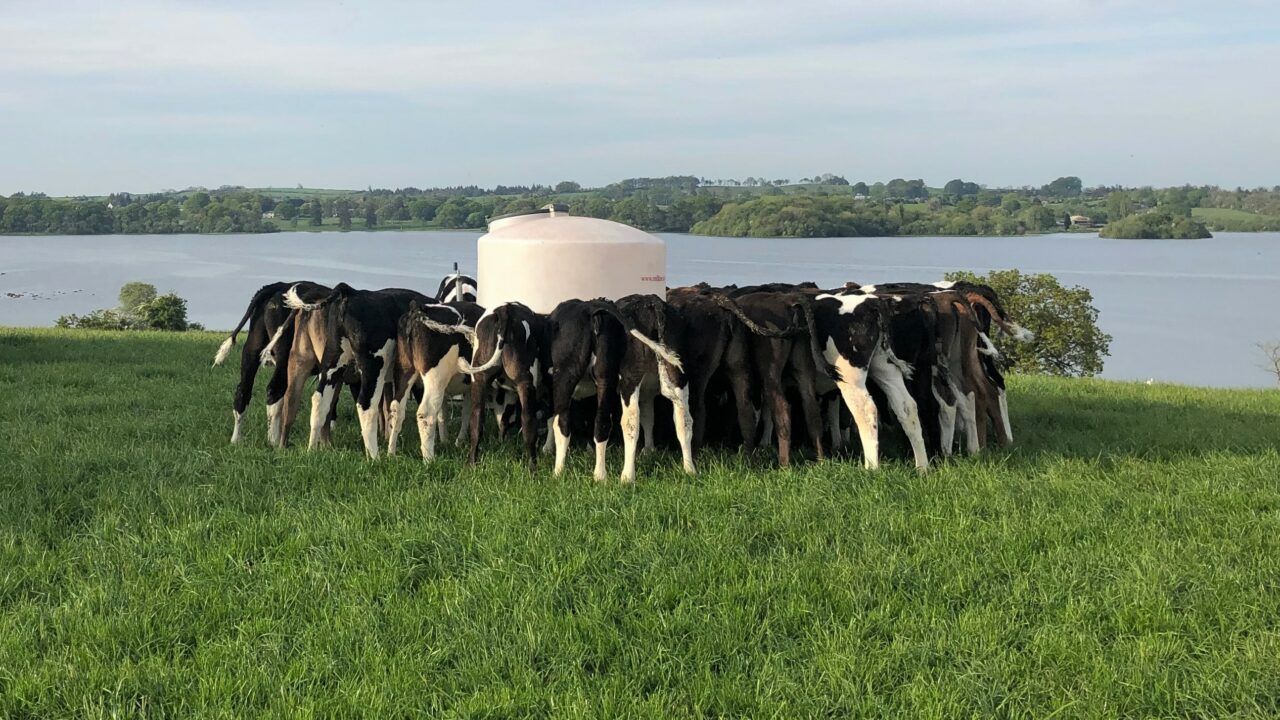
The poor spring has lead to a lot of farms still having calves housed despite weaning taking place a number of weeks ago.
It is easy to get so caught up in statistics and what is being bred to what, so much so that we forget about embryo survival.
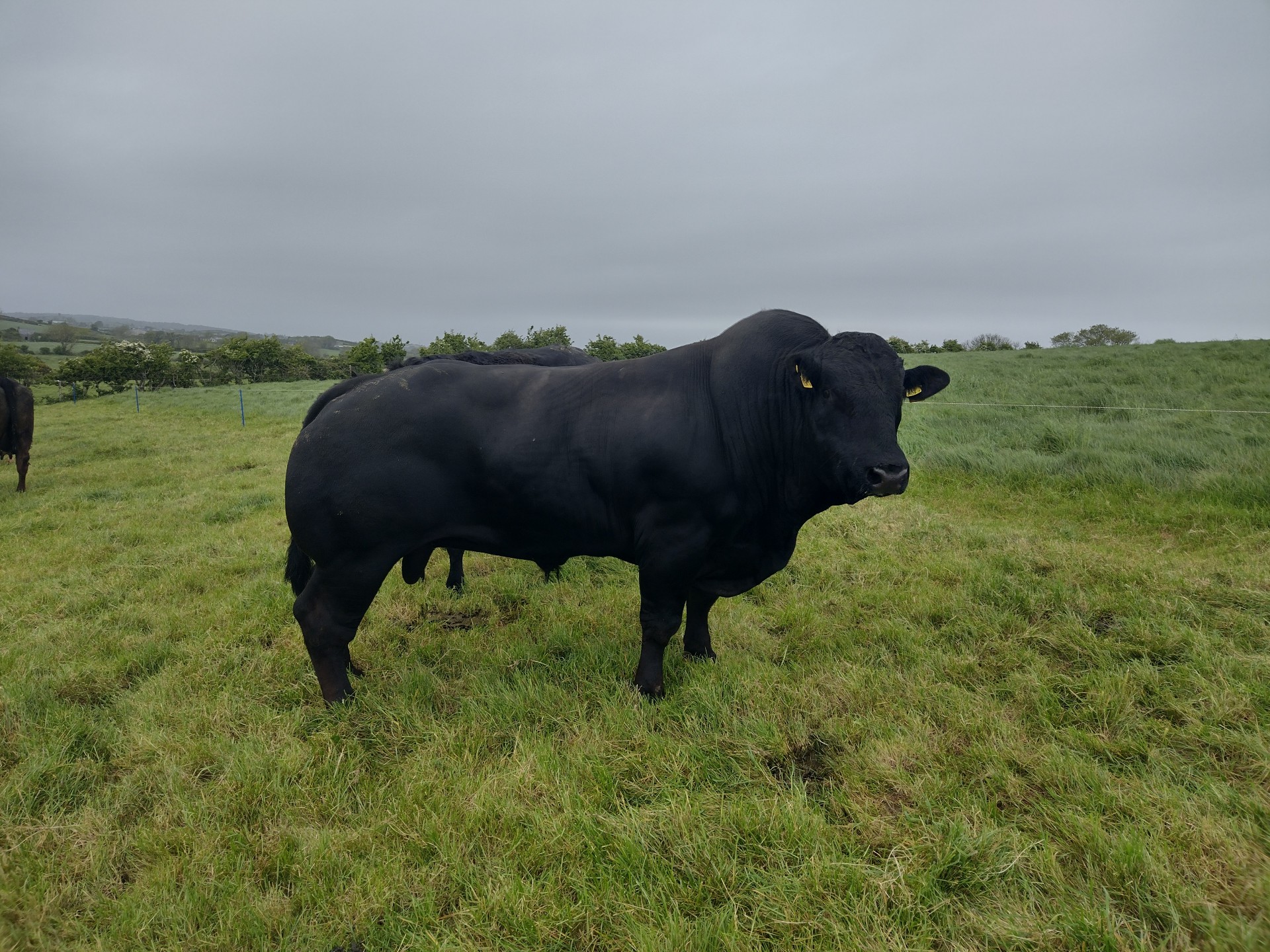
Breeding is well underway now, yet not too many fields you look into will have stocks bulls out yet, as most farmers go with AI first.
With growth rates taking off and cows thriving, it may be time to consider reducing the amount of concentrates fed in the diet.
Grass growth has taken off, leaving many farms with an abundance of grass, but fertiliser application must be kept up to date.
With the breeding season officially kicking off for many farmers this week, it is important to stay on top of heat detection.
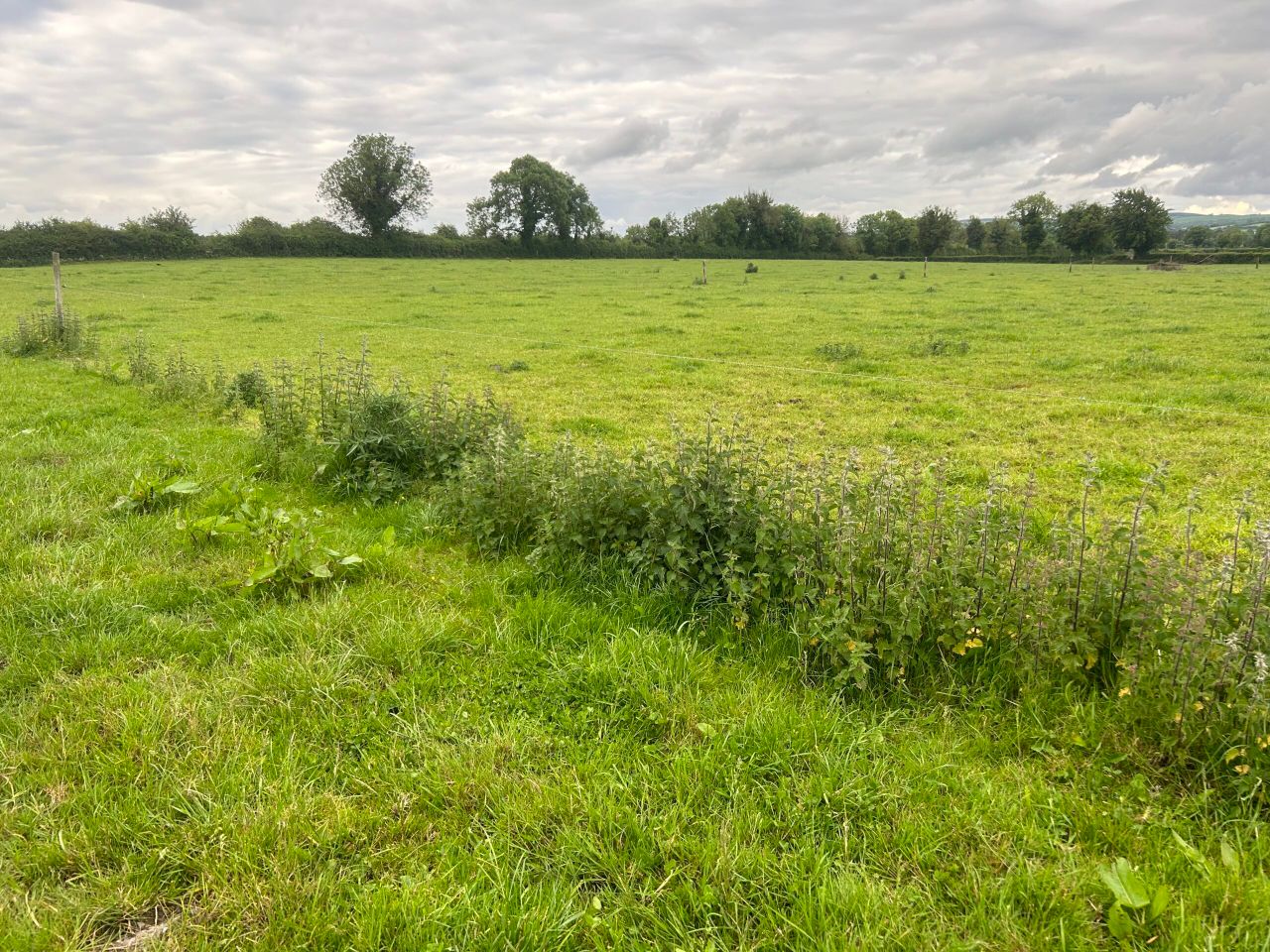
With the weather conditions finally taking a turn for the better, grass growth is up, but unfortunately so is weed growth.
A lot of heifer calves will be approaching 10-12 weeks-of-age, meaning that they should be strong enough to be completely weaned off milk.
As the last of the cows calve down, identifying any high cell count ones will be critical in the lead-up to the breeding season.
A lot of dry farms will be starting or will have already started their second rotation, meaning milk fat content may easily drop back again.
As we enter into the final few weeks before the breeding season, there will be a focus on keeping...
Retained placentas are a relatively common occurrence during the calving season, which can in turn affect the upcoming breeding season.
Keeping mastitis out of the herd is crucial at this stage, as a lot of cows will be nearing peak milk production.
Unsettled weather means spring grazing is still quite messy, but its important to push on as the risk of negative energy balances (NEB) rise.
As spring calving wraps up and breeding becomes the main concern, farmers need to keep an eye on late calvers for issues such as milk fever.
With the breeding season fast approaching, it is time to start making selective decisions on both the cow and bull used next month.
N.Ireland
There are still plenty of cows to calve down, but with breeding quickly approaching, farmers should start carrying out pre-breeding checks.
A top price of £10,000 has been achieved at the the Global Connections Online Sale, which took place during the UK Dairy Expo.