Beef farmers ‘can’t be green if they are in the red’ – CAFRE senior manager

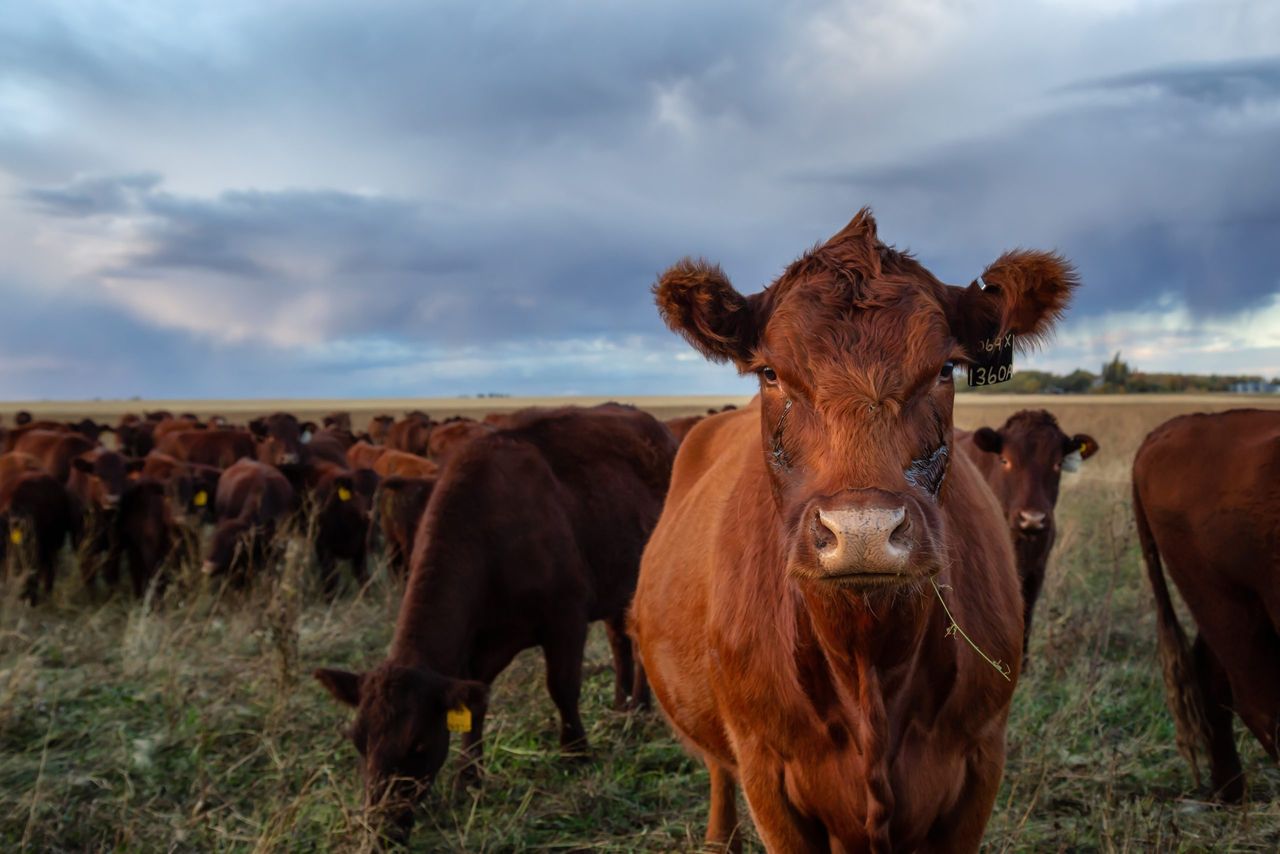
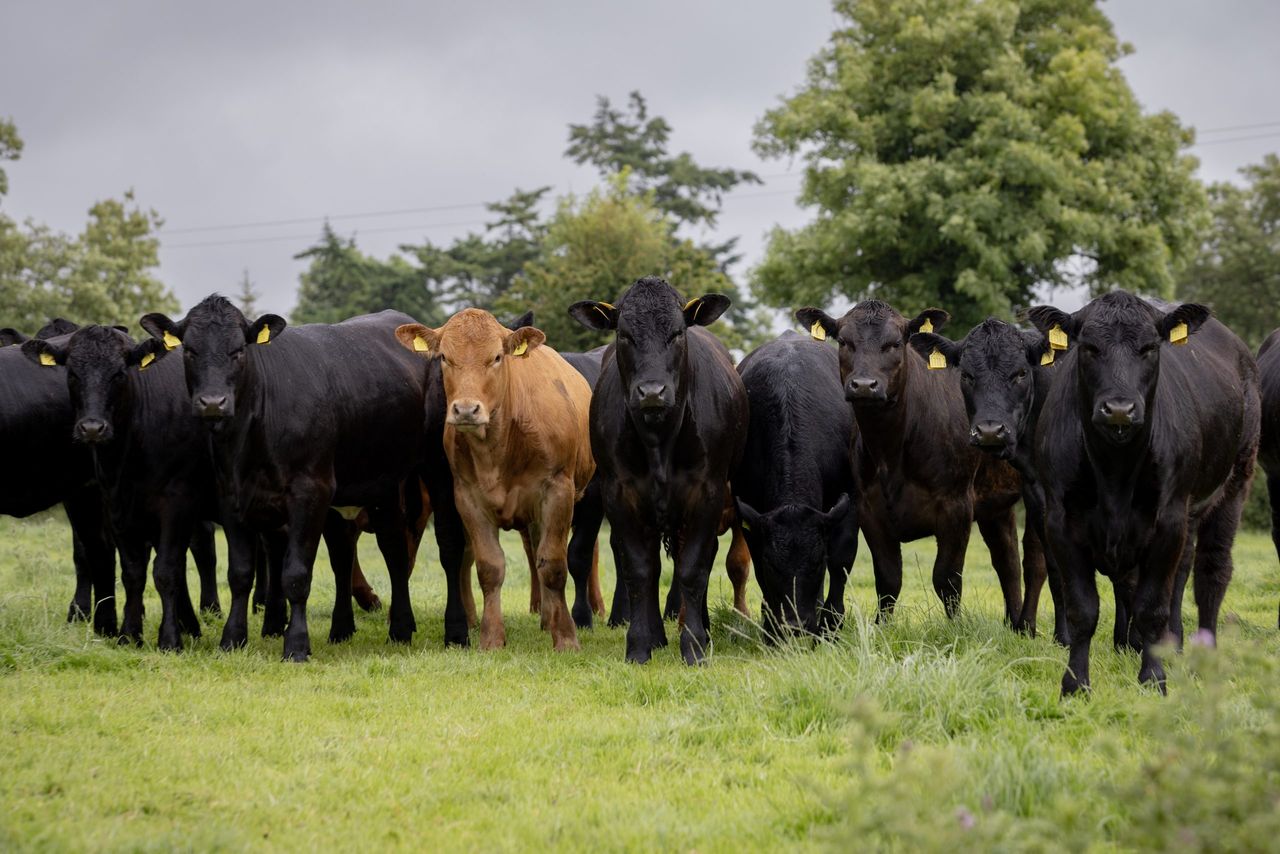
Beef producers in Northern Ireland must be allowed to achieve realistic levels of economic sustainability on an ongoing basis, a senior academic manager has stressed.
According to Mark Scott, head of college services at the College of Agriculture, Food and Rural Enterprise (CAFRE), this is the only way beef producers will be able to secure the environmental and conservation-related targets required by society.
He said: “Farmers can’t be green if they are in the red."
Scott made these comments while addressing the recent CAFRE/ Ulster Farmers’ Union (UFU) beef conference.
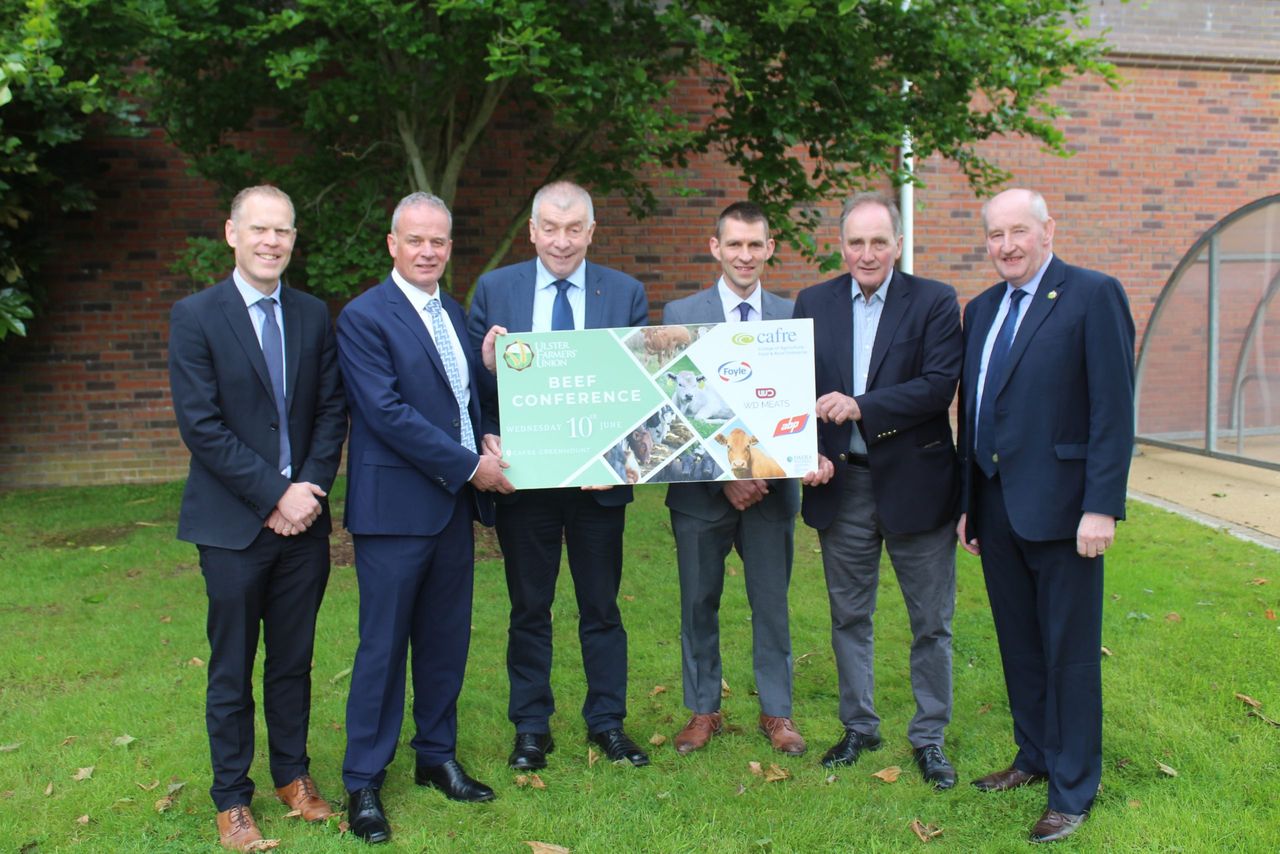
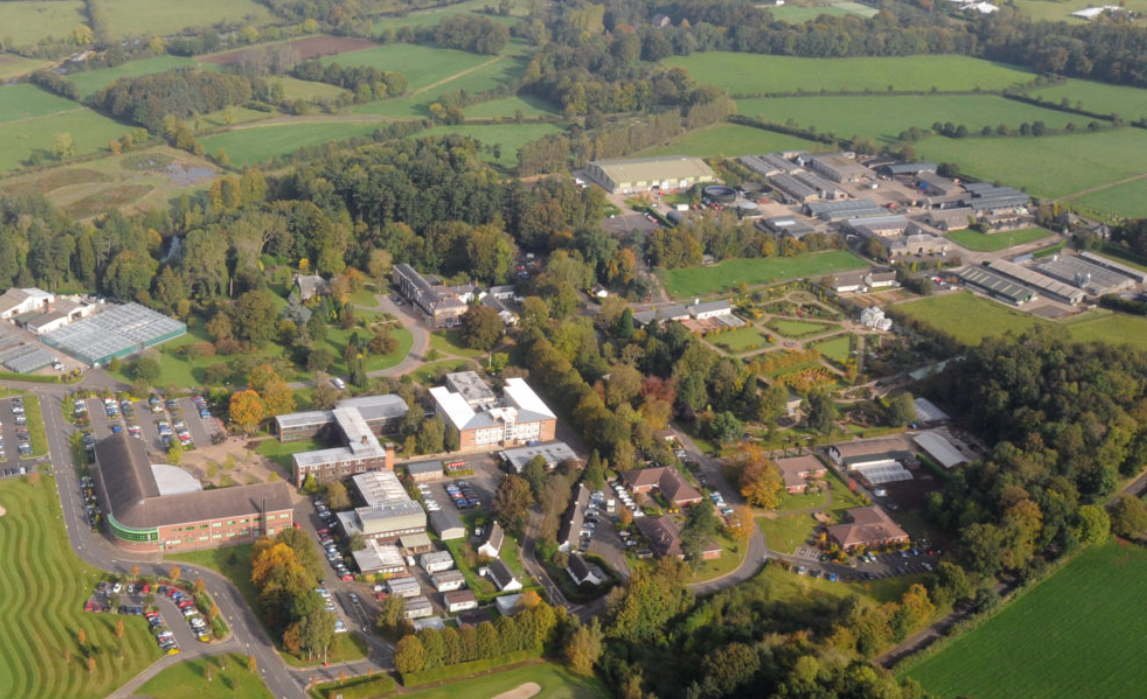
The event was held at the college’s Greenmount campus in south Co. Antrim.
Scott continued: “The income generated by a beef business will be determined by a combination of market returns and government subsidies.
"But everything must be underpinned by the securing of realistic profits at farm level.”
Greenmount
The CAFRE representative went on to confirm that the improved efficiency targets within the new farm support measures introduced in Northern Ireland over recent years are being met by the cattle coming thorough the new beef centre at Greenmount.
These include the age at slaughter criteria built into the Beef Carbon Reduction Scheme and the fertility-related standards required of cows and heifers deemed eligible for the new suckler cow scheme.
For example, all suckler heifers within the Greenmount herd are now calving before they reach 24 months-of age.
The Greenmount beef enterprise brings to market a range of suckler bred steers and heifers, dairy bred heifers and steers in tandem with animals reared as bull beef.
Driving this progress has been a commitment to CAFRE’s College Estate Strategy for the period 2021-2030.
Scott said: “We are now at the half way point of this project.
"And the results achieved up to this point are confirming that our beef production systems can meet the environmental criteria that have been established.
“Moreover, these targets are being met without reducing levels of agricultural output.”
The estate strategy at Greenmount has been aligned with the principles contained within Northern Ireland’s ‘Future Agricultural Policy Framework Portfolio’ of increased productivity, environmental sustainability, improved resilience and an effective, functioning supply chain.
Key targets within the new scheme include a 50% reduction in carbon footprint up to 2030 and an almost 100% reduction in microbial usage across all of the livestock enterprises operating at the college.
The strategy goes beyond farming by offering the food manufacturing sector access to CAFRE's Food Innovation and Technology Centres.
Technologists assist local businesses in adopting circularity, such as testing novel crop varieties for Northern Ireland's climate and creating new products out of materials that were once considered waste.