Cattle farmers urged to change lungworm approach in 2023
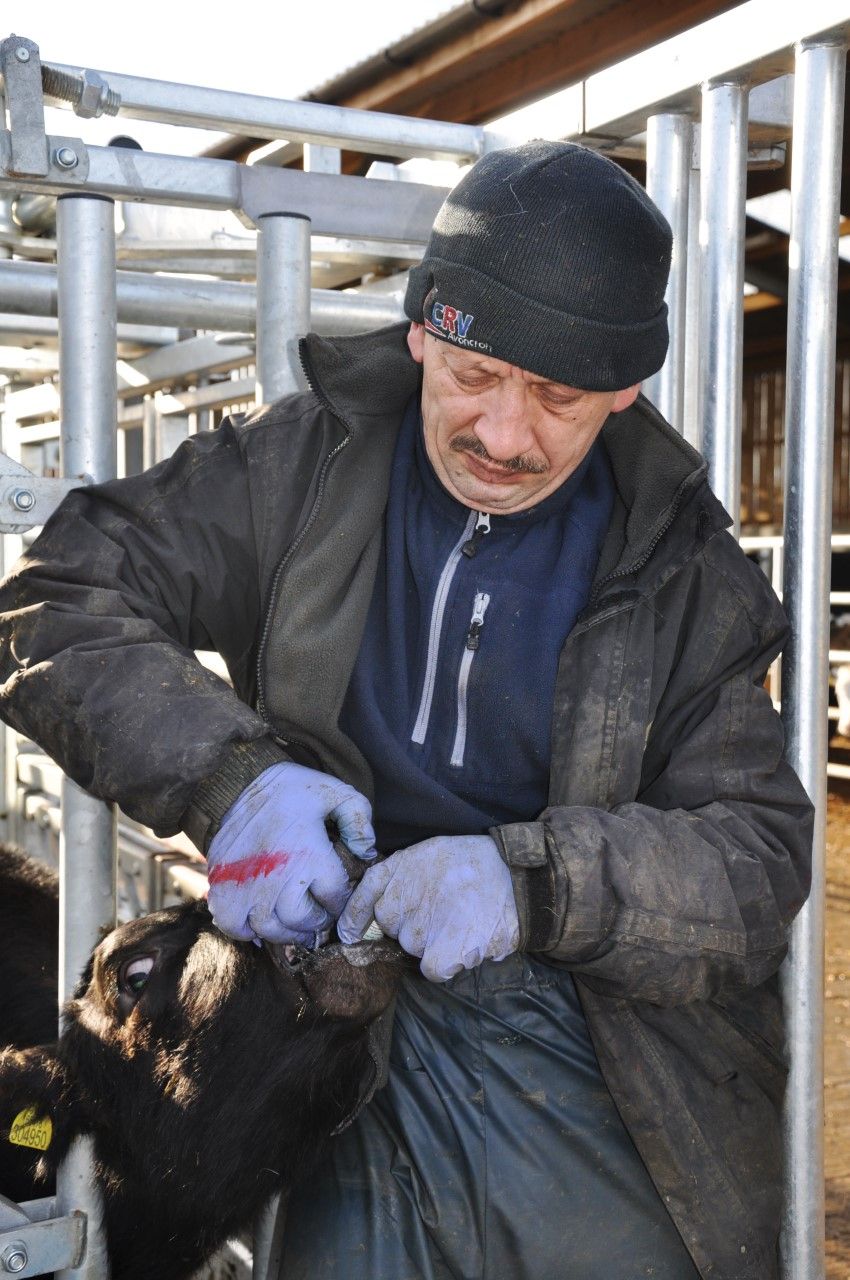
Cattle farmers are being encouraged to think differently about lungworm in 2023 and to develop strategies to prevent production losses, rather than treat infections.
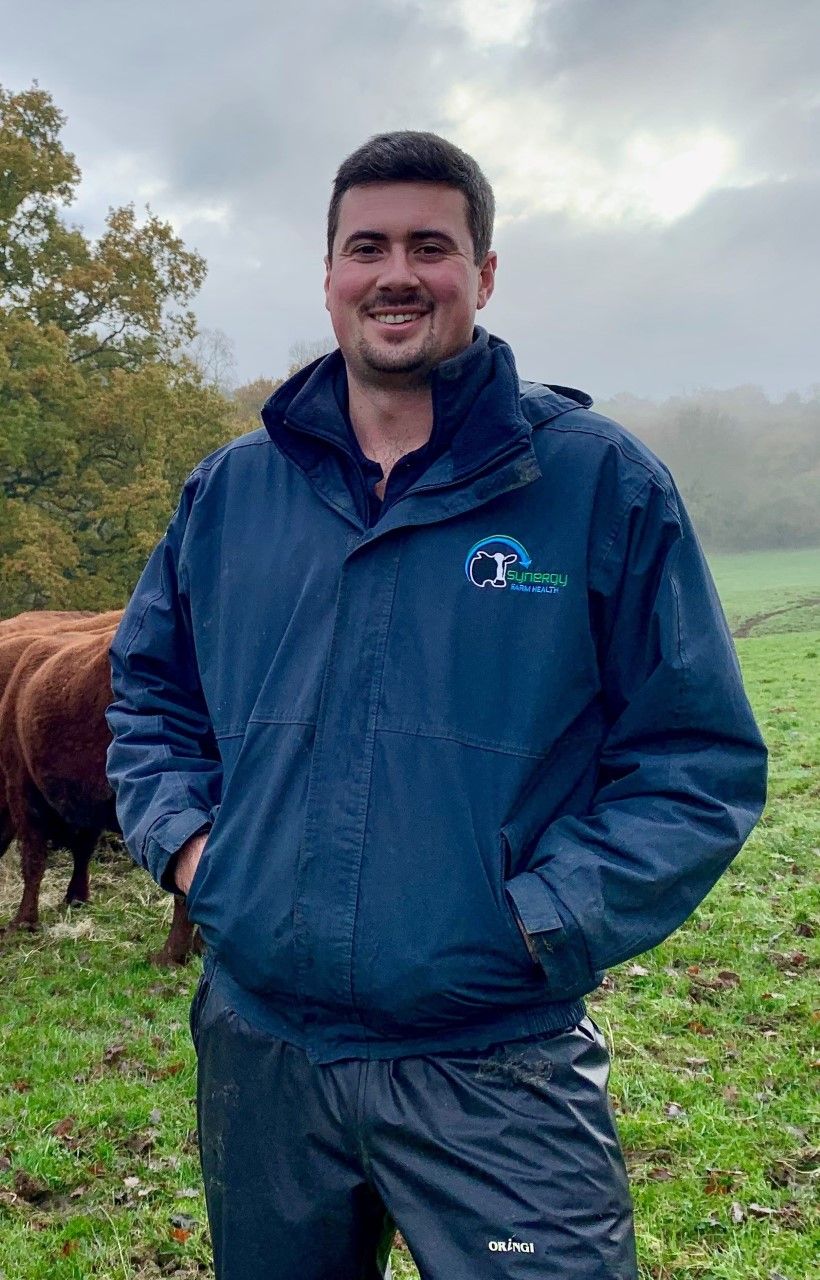
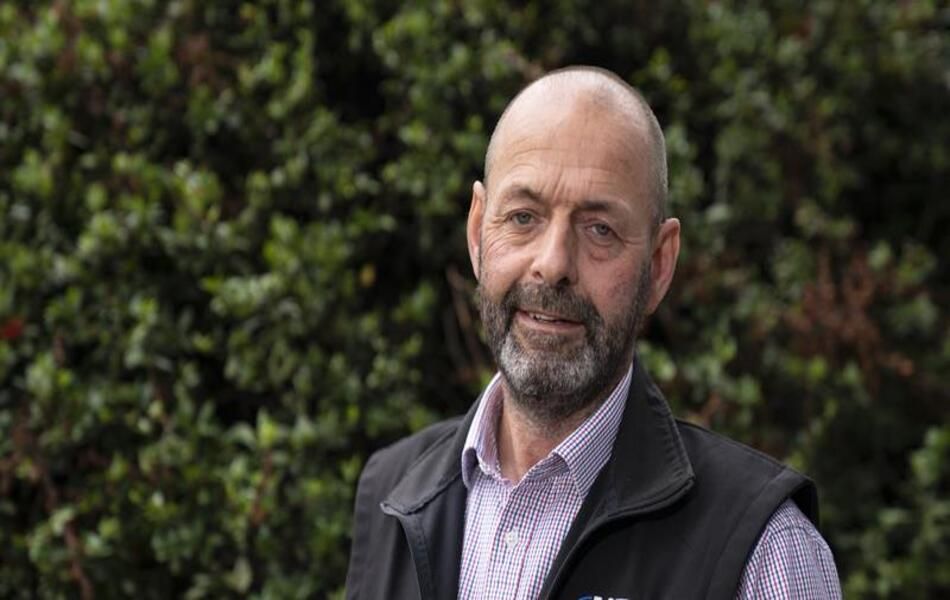
Tom Warboys, a vet from Synergy Farm Health, said: "Habitually worming cattle during the autumn and winter housing (aiming to clean out residential gut or lungworm burdens) may give you peace of mind - but it's time to think more sustainably."
Warboys said that wormer resistance is growing rapidly in the UK, particularly against ivermectins, and unnecessary routine use of those anthelmintics stops cattle developing natural immunity to lungworm and harms vital insect populations.
“Ivermectins are fantastic products, but to preserve them we must use them more judiciously – and only when we absolutely have to,” Warboys said.
"Whilst moving 500 times their own body weight of organic material, they reduce dung levels and therefore potential lungworm burdens left on pasture, improve soil health and make more grass available for future grazing.
"It is now time to think differently about habitual worming and focus on making a sustainable parasite control plan for every farm."
Synergy Farm Health
Synergy Farm Health, a veterinary practice, is recommending cattle farmers work with their vet to adopt a five-point parasite management plan for 2023, with the focus on reducing the need for blanket worming when cattle are housed for the 2023/24 winter.
The practice's advice:
Warboys stressed that parasite control should not be considered in isolation.
"It should always form part of herd-health planning when you can discuss it fully with your vet, or perhaps at a seasonal visit - if using an advisory package similar to Synergy's beef suckler scheme," he said.