Devolution is opportunity to solve Welsh ag problems - FUW
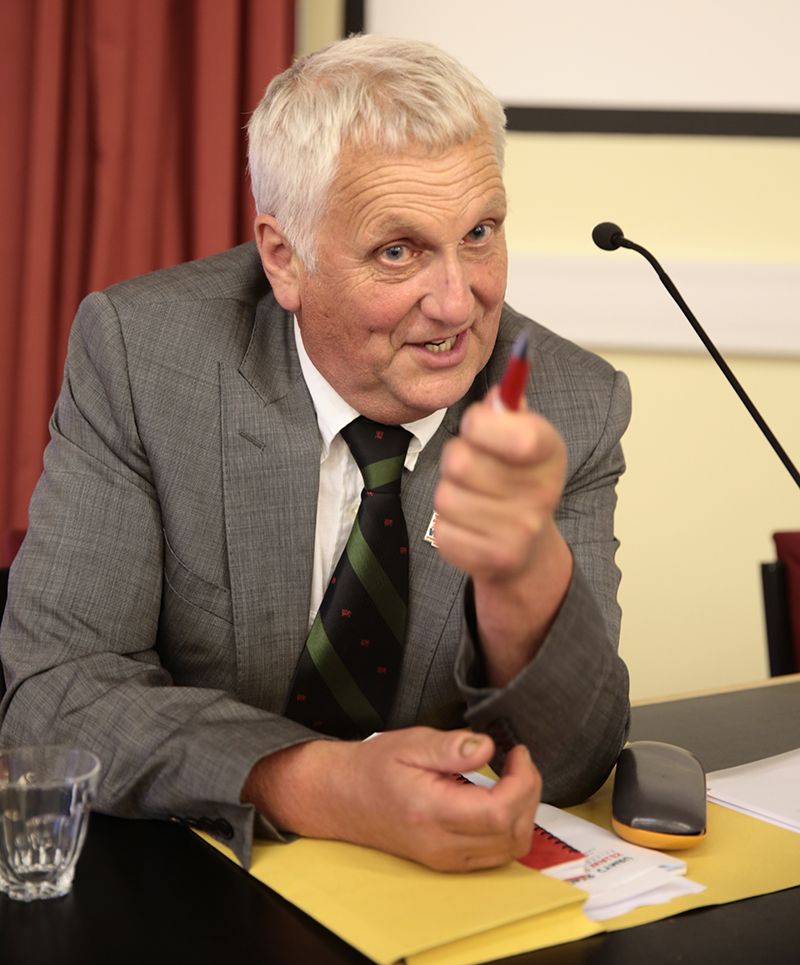
At the Farmer's Union of Wales' (FUW) annual farmhouse breakfast event today (Tuesday, January 24), FUW president Glyn Roberts said that devolution will provide an opportunity to create Wales-specific solutions to the food and energy crisis.
He said that food supply chains are continuing to "suffer the aftereffects of the darkest days of the pandemic".
"Devolution gives us the opportunity to create local and Wales-specific solutions to these problems, in the form of the Agriculture Bill currently being considered by the Senedd - a bill that represents the biggest changes for Welsh agriculture since the UK joined the European Union," he said.
Roberts said that global events, like the war in Ukraine, which impact farming, have led to increases in agricultural input costs approaching 30% in the UK, while consumer food prices have risen alarmingly - but by a fraction of that rate.
In addition, he said, climate change is creating difficult growing conditions for farmers, with 2022 being the warmest year on record for the UK.
Wales' rural economy
Roberts said the FUW believes the Agriculture Bill must explicitly seek to ensure the economic viability of farming families and the Welsh rural economy.
"This would ensure that the bill is truly holistic - that is, balancing the internationally recognised pillars of environmental, social and economic sustainability," Roberts said.
"And we all know what happens when one of the legs is removed from a three-legged stool.
"I need not remind you of the energy security crisis that Putin's actions have revealed so starkly, and we have only tapped into a fraction of the potential for our family farms to further contribute to tackling this while reducing their own carbon footprints and continuing to feed our nations’ populations.
“The grave dangers of throwing caution to the wind when it comes to food and energy security are there for all to see, so whatever path Westminster decides to follow, let us ensure that our devolved administrations here in Wales take an holistic approach to our responsibilities to local, national and global populations."