Drought in England labelled 'significant incident'
The UK's National Drought Group met yesterday (Monday, August 11) with the current water shortfall situation in England now defined as a “nationally significant incident” .
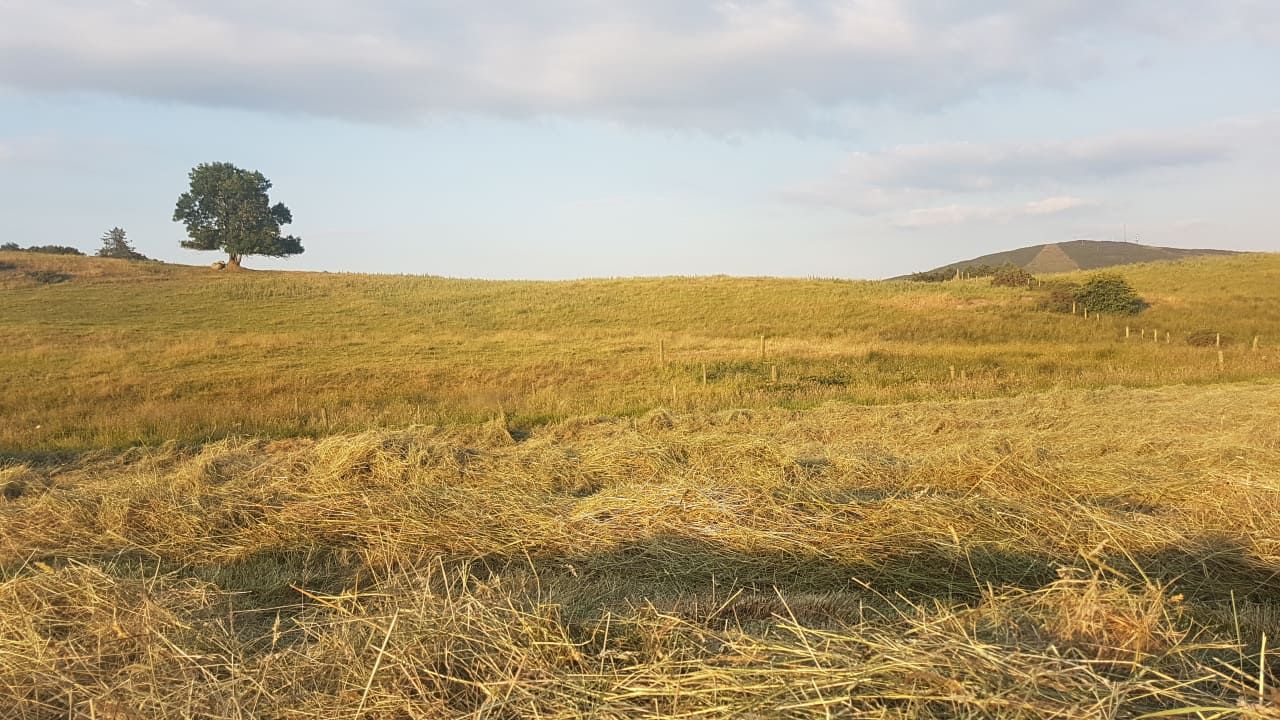
Five areas are officially in drought, with six more experiencing prolonged dry weather following the driest six months to July since 1976.
Despite the unsettled weather last month, many river flows and reservoir levels in England continued to recede compared to June.
Rainstorms and showers helped mask the fact that July was still the fifth warmest on record.
August has started to see a return of drier conditions and the fourth heatwave of the summer - putting more pressure on already struggling public water supplies and navigational waterways.
The National Drought Group - which includes the Met Office, government, regulators, water companies, the National Farmers’ Union (NFU), Canal & River Trust, anglers, and conservation experts – used the meeting to highlight the water-saving measures each sector is taking.
They also praised the public for reducing their own daily usage, with Yorkshire Water reporting a 10% reduction in domestic demand following their hosepipe ban.
This equates to saving up to 80 million litres per day – equivalent to 32 Olympic-sized swimming pools.
The group has said that the less water that is used, the less needs to be abstracted from local rivers – therefore protecting the health of waterways and wildlife.
The Environment Agency’s director of water and NDG chair, Helen Wakeham said: "The current situation is nationally significant, and we are calling on everyone to play their part and help reduce the pressure on our water environment.
"Water companies must continue to quickly fix leaks and lead the way in saving water. We know the challenges farmers are facing and will continue to work with them, other land users, and businesses to ensure everyone acts sustainably.
"We are grateful to the public for following the restrictions, where in place, to conserve water in these dry conditions.
"Simple, everyday choices – such as turning off a tap or deleting old emails [so data centres don't have to consume as much water] – also really helps the collective effort to reduce demand and help preserve the health of our rivers and wildlife."
Drought
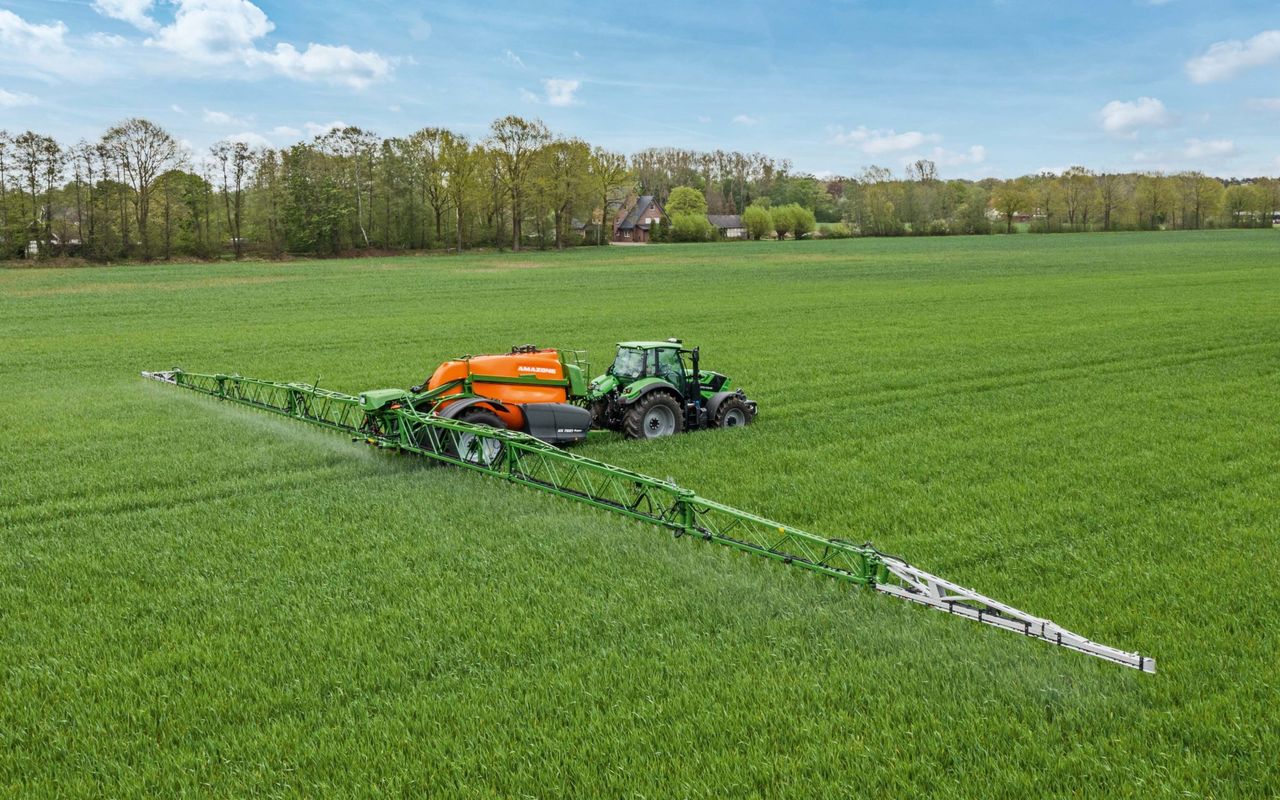
The recent rainfall has been welcomed by growers, although the impacts from the dry weather remain as farmers continue their harvest.
The NFU noted how water shortages have impacted the growing season this year.
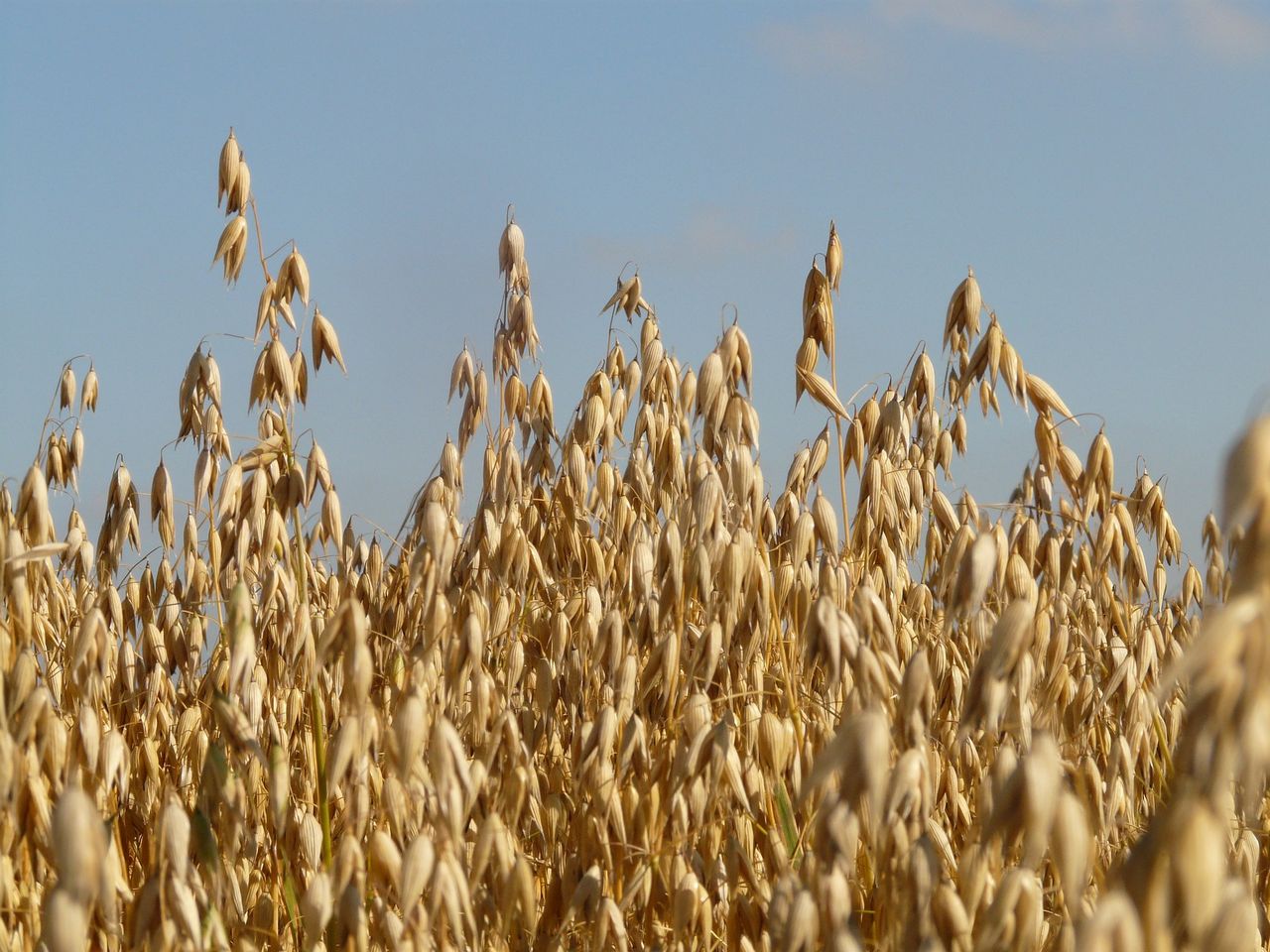
NFU vice-president, Rachel Hallos said: "British farmers and growers continue to face extremely dry conditions, with harvest underway and crop yields proving mixed across the country.
"Some farms are reporting a significant drop in yields, which is financially devastating for the farm business and could have impacts for the UK’s overall harvest.
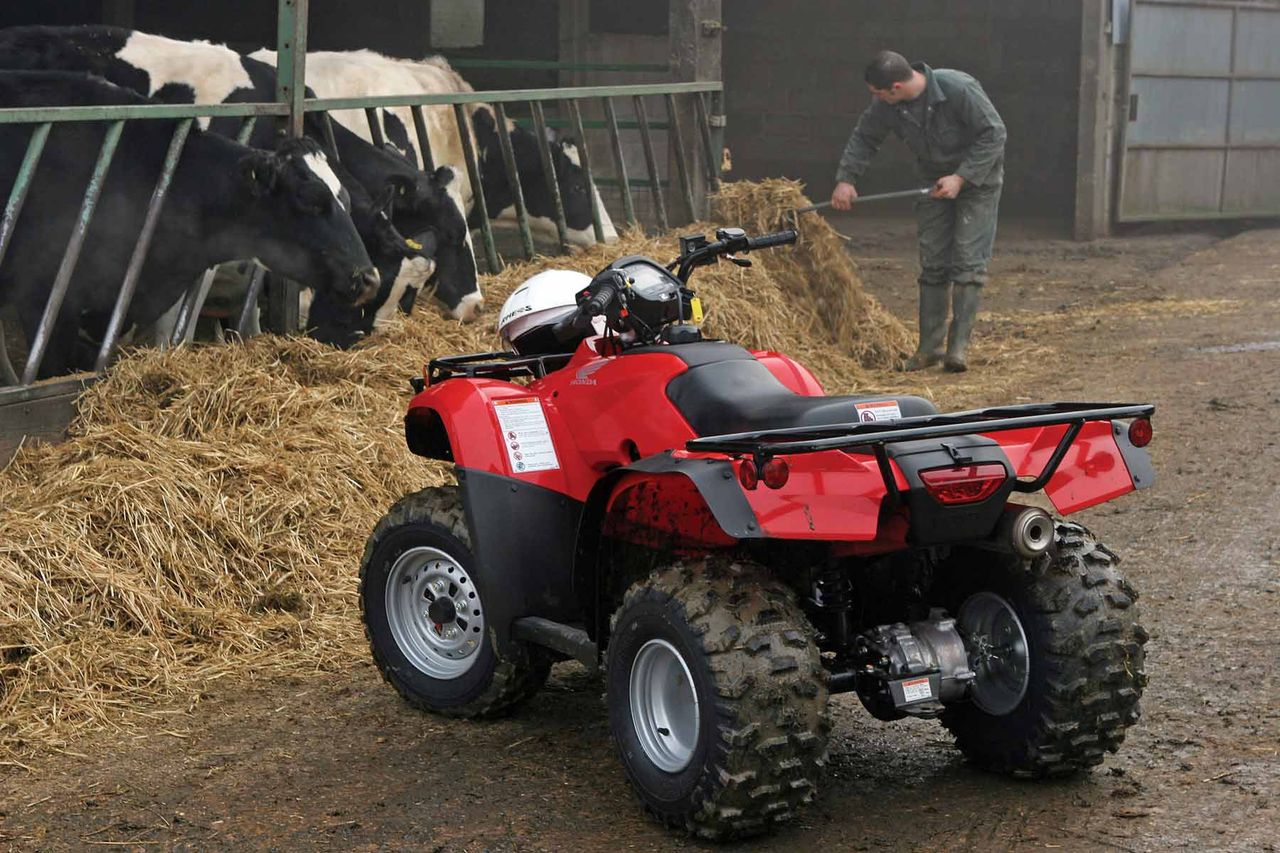
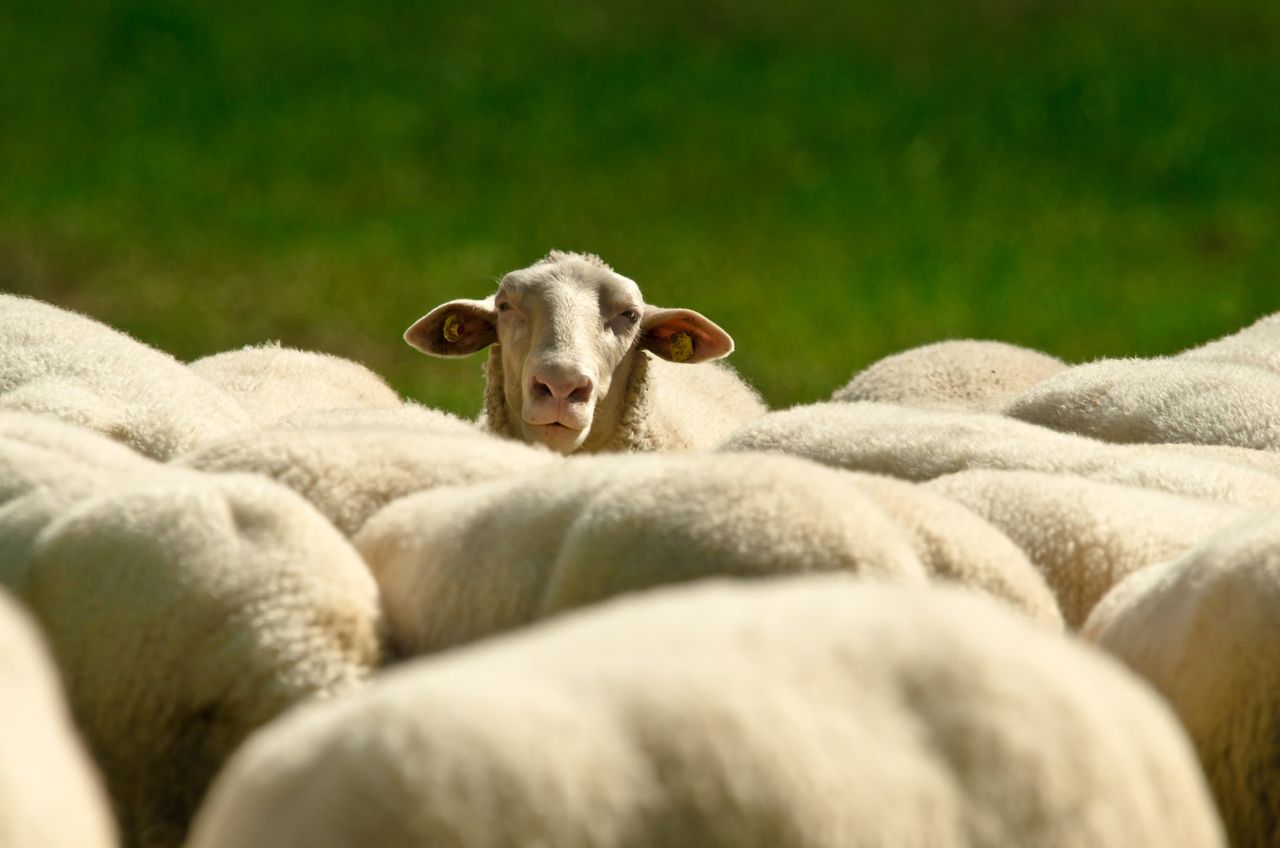
"Farming is a long-term industry and there is growing concern about the months ahead. Minimal grass growth means many livestock farmers are already tapping into winter feed stocks, raising the risk of higher production costs later in the year," she added.
The farm organisation has stressed that access to clean, reliable water is essential for food production.
What it said has worked well during this drought has been early, coordinated communication with stakeholders around licence restrictions and drought permits and orders.
"To avoid the swing between extreme drought and flooding and to secure water supplies for food production, we urgently need investment in water infrastructure and a more effective planning system," Hallos added.
Periods of dry weather and low rivers reduce oxygen levels in water that can lead to fish kills and more algal blooms, according to the drought group.
It said that lower river flows also prevent wildlife from moving up or downstream.
Drying out wetlands can be devastating for species that depend on those habits while England has seen an increase in wildfires, devastating vulnerable areas of heathland and moorland, the group outlined.
Weather forecast
The Met Office updated the group on the future weather outlook, noting drier weather has returned.
Chief meteorologist at the Met Office, Dr. Will Lang said: "This week is starting off warmer than of late across England and Wales with temperatures getting towards the mid-30s celsius for some in the south.
"While conditions remain mostly settled across the south, the picture is more unsettled further north-west, with rain or showers at times.
"As we move into the second half of August, there are indications of high pressure building and therefore largely settled conditions overall. Although dry weather is more likely, rain, showers or thunderstorms cannot be ruled out," he added.
Human health
The heat and climate change also impact human health, through issues such as heatstroke, dehydration, and respiratory problems.
The UK Health Security Agency (UKHSA) and the Met Office have issued an amber heat-health alert (HHA) for five regions of England.
The West Midlands, East Midlands, South East, London, and East of England will be under an amber heat health alert from 9:00a.m today (Tuesday, August 12) until 6:00p.m on Wednesday, August 13.
In addition, a yellow HHA has been issued for the North West and North East regions for the same period.
The South West and Yorkshire and the Humber regions are already under a yellow HHA, which remains in place.
Under the Weather-Health Alert system, an amber alert means that weather impacts are likely to be felt across the whole health service.
Secretary of State for Environment, Food and Rural Affairs, Steve Reed and Philip Duffy, chief executive of the Environment Agency, have also briefed Pat McFadden, the chancellor of the Duchy of Lancaster, about the situation.
Speaking after attending the meeting, Water Minister Emma Hardy said: "Working with the National Drought Group, the government is urgently stepping up its response to ensure we are successfully managing the impacts of ongoing dry weather.
"Water companies must now take action to follow their drought plans - I will hold them to account if they delay.
"We face a growing water shortage in the next decade. That’s why we are pushing ahead with root and branch reform under our Plan for Change, which includes £104 billion of private investment to build nine reservoirs and new pipes to cut leaks," she added.
Current situation
- Drought has been declared in: Yorkshire, Cumbria and Lancashire, Greater Manchester Merseyside and Cheshire, East Midlands, and the West Midlands;
- Areas in prolonged dry weather (the phase before drought) are: Northeast, Lincolnshire and Northamptonshire, East Anglia, Thames, Wessex, Solent and South Downs;
- The remaining areas are normal: Hertfordshire, London, Kent, Devon and Cornwall;
- Yorkshire Water has a Temporary Usage Ban (aka hosepipe ban) in place for all its customers;
- Thames, South East Water, and Southern Water have postcode-specific bans;
- Reservoirs fell by 2% last week and are now 67.7% full on average across England. The average for the first week of August is 80.5%. Last month, the average was 75.6%;
- The lowest reservoirs are Blithfield (49.1%), Derwent Valley (47.2%), Chew Valley Lake (48.3%), Blagdon (46.3%);
- Rainfall in July was 89% of long-term average for the month across England. This is the sixth consecutive month of below average rainfall;
- Across the country, 51% of river flows were normal with the rest below normal, notably low or exceptionally low;
- Two rivers – Wye and Ely Ouse – were the lowest on record for July;
- There are currently navigation closures or restrictions across sections of the Leeds and Liverpool, Macclesfield, Trent and Mersey, Peak Forest, Rochdale, Oxford and Grand Union Canal.
Actions
- The UK Health Security Agency is working with the National Drought Group to update its public health impacts of drought guidance;
- Water companies are communicating with customers about current risks and advising them how to use water wisely during this dry period;
- Water companies have stepped up action on leakage, with leaks down 41% compared to the level in 1989 when the industry was privatised;
- Over £700 million has been committed by water companies to tackle leaks over the next five years;
- Water companies have committed to reducing leakage by 50% from a 2017-18 baseline by 2050;
- Yorkshire Water reported that repairs of leaks identified by smart meters had saved 1.5 million litres per day;
- Yorkshire Water is fixing over 800 leaks per week;
- Dwr Cymru Welsh Water is fixing over 700 leaks per week;
- Over 500,000 customers with Anglian Water have had leaks identified via their smart meters. This helped the firm reduce leaks by a total of 187 million litres a day, equivalent to 75 Olympic-sized swimming pools;
- Anglian Water’s satellite technology has also helped prioritise leak detection, saving over 320,000L of water a day in rural areas, enough to supply 1,000 homes;
- Southern Water has 24,000 acoustic sensors attached to the 15,500km of their water network to help detect leaks;
- In the last 12 months, Southern Water has reduced leaks by almost 20%, saving 138.7 million litres per day;
- Severn Trent has handed out 700 x 1,100L bowsers to farmers and several to the West Midlands Safari Park so livestock and animals have water;
- Water-saving messaging has helped reduce demand in the Severn Trent area by 20%, compared to the peak on July 11;
- United Utilities is repairing more than 800 leaks a week and has seen a 200% increase in reports of leaks from customers;
- United Utilities is offering free home water audits in some areas, with more than 3,700 booked in;
- Thames Water has installed over one million smart meters, which are critical in helping locate leaks;
- Since June, Thames Water has fixed over 1,000 leaks in the region impacted by the hosepipe ban.
Environment agency
- The Environment Agency continues to work with government, including Department for Environment, Food and Rural Affairs (Defra) and the Cabinet Office, on the drought response;
- The Environment Agency has escalated its operational response and diverted resources to ensure a rapid and nationwide response;
- It is conducting more compliance checks on businesses who abstract water to ensure regulations are met;
- It is actively engaging with water companies on requests for drought permits and drought orders and ensuring they follow their drought plans;
- There is increased monitoring of river and groundwater level and more modelling of rainfall patterns to inform decisions, including additional restrictions;
- The Environment Agency is working closely with farmers in East Anglia, requesting voluntary reductions on surface water abstraction. This will help conserve and extend the total period when water is available for abstraction, protect the environment and delay the need for any formal restrictions;
- The regulator has sped up the process of alerting abstractors about restrictions;
- The EA is managing potential navigation issues caused by low flows on the Rivers Thames, Lark and Great Ouse.
How to save water at home
- Install a rain butt to collect rainwater to use in the garden;
- Fix a leaking toilet – leaky loos can waste 200-400L a day;
- Use water from the kitchen to water your plants;
- Avoid watering your lawn – brown grass will grow back healthy;
- Turn off the taps when brushing teeth or shaving;
- Take shorter showers;
- Delete old emails and pictures as data centres require vast amounts of water to cool their systems.