Experts warn drought to continue despite recent rainfall

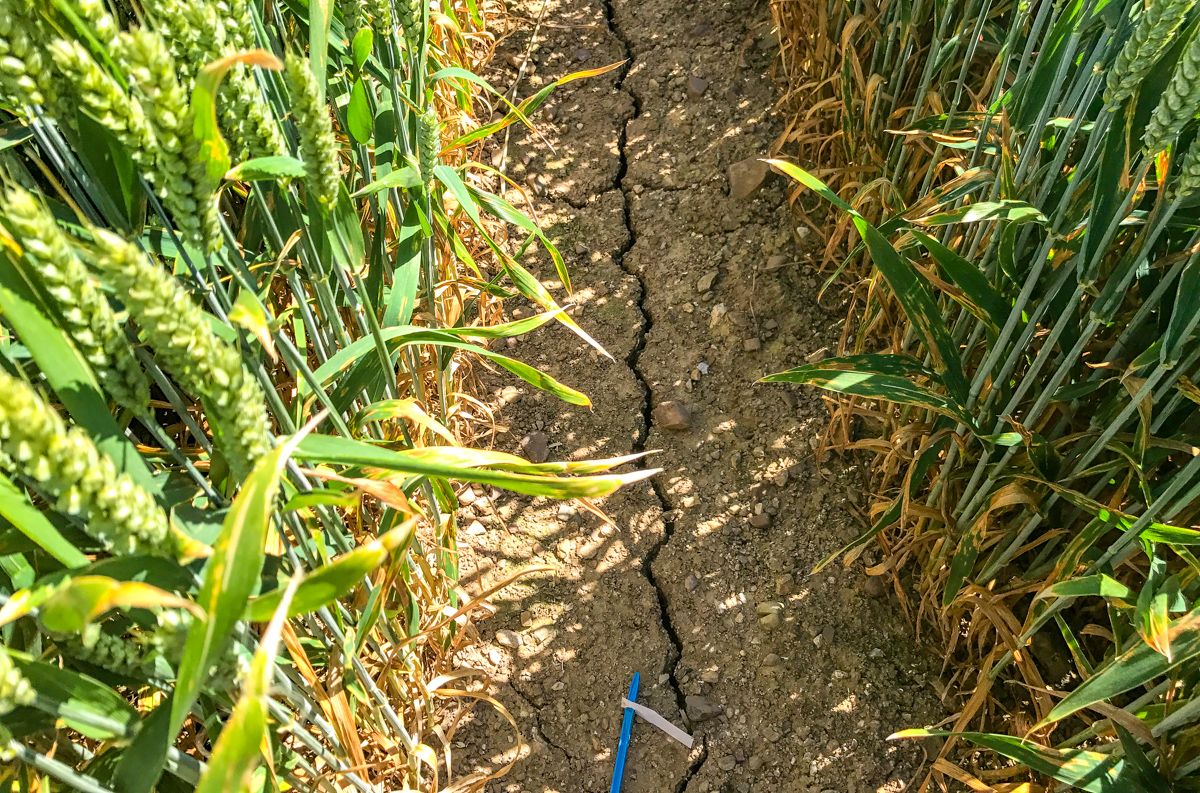
The National Drought Group (NDG) has warned that the current drought, which is affecting many areas in the UK, is expected to continue throughout autumn despite the rain in recent weeks.
Five areas currently remain in drought, with more areas likely to declare drought status within the next few weeks, as groundwater and reservoir levels across England continue to recede.
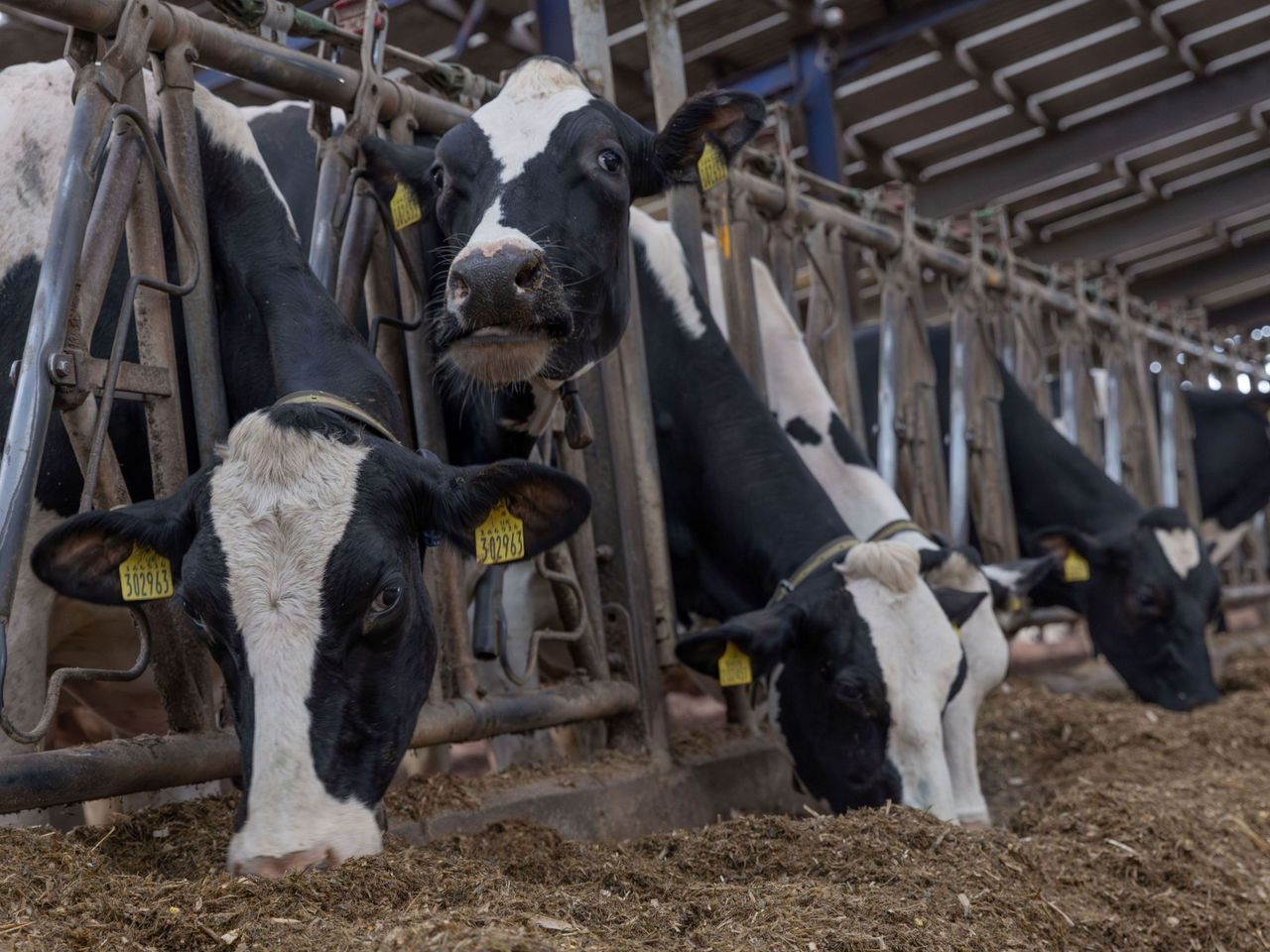
A lack of rainfall has impacted harvests, the breeding patterns of some animals and additionally, it has led to peatlands drying out and at least 3,000ha of Sites of Special Scientific Interest (SSSI) land being destroyed by wildfire.
NDG
This announcement was released yesterday (Monday 15) following a meeting between the members of the NDG, which includes the Met Office, government representatives, regulators, water companies, the National Farmers’ Union, Canal & River Trust, anglers, and conservation experts.
At the meeting, the following key impacts of this drought were discussed:
- Approximately 20% or 400 miles of the Canal & River Trust network are closed because of low water levels, concentrated mainly but not exclusively across northern and central England;
- Some reservoirs that feed several canals run by the Canal & River Trust - including sections of the Grand Union, Leeds and Liverpool, and Oxford - are critically low, especially Peak Forest & Macclesfield group holdings, which are just 11.1% full;
- The dry weather has seen an early harvest season with generally lower and poorer quality crop yields;
- Reservoirs are now 56.1% full on average across England, with the average for this time of year being 82.8%;
- The lowest reservoirs are the Pennines group (29%), Yorkshire stocks (30.3%), and Ardingly (34.1%).
A drought is only over when groundwater, river and reservoir levels are fully replenished, and experts have warned it will take a wet autumn and winter to reverse the impacts of seven continuous months of below average rainfall.
In reaction to the drought, Alan Lovell, the chair of the Environment Agency, commented: "While we have seen some recent rain, it is nowhere near enough to reverse the impact of the last seven months, which have been the driest since 1976.
"The environment bears the brunt of this lack of rainfall, and this summer we have seen widespread impacts from low river levels, fish needing to be rescued, and wildfires.
"We are calling on everyone to continue to take simple steps to reduce their water use and are grateful to people for following the restrictions imposed by water companies - by saving water, we all leave more water in the environment," Lovell added.
Met Office
Looking ahead weather-wise, Met Office's chief meteorologist, Will Lang said: "While the longer-range forecast suggests a trend towards wetter-than-average conditions, rainfall is expected to vary significantly across regions, with more rain expected to western and northern parts of the UK, while eastern and southern areas may remain drier.
"Importantly, even with the overall signal for wetter weather, and the chance for flooding in some places, this does not guarantee that current drought conditions will ease consistently across the country."
Natural England
Natural England, the public body that advises the UK government on the natural environment, addressed several issues with the group at the meeting today, including:
- A total of 83 sites of special scientific interest have reported fires so far, including Dartmoor and the North Yorkshire Moors that saw more than 500ha burnt;
- Lower water levels and a lack of rainfall to top up spawning pools are significantly impacting the breeding success of species such as natterjack toads and Atlantic salmon;
- As well as dehydration, garden animals - including hedgehogs and birds - are struggling with a lack of insects to eat because of the dry soils;
- Wetland birds, such as shoveler duck and curlew, are facing decline because of a loss of wetland and open water habitat in drought.
The chair of Natural England, Dr. Tony Juniper highlighted the "catastrophic effect on our flora and fauna" brought on by the drought.
Additionally, he described the drought's impact on the populations of salmon, wetland birds, amphibians and hedgehogs as streams have dried out and insect-based food sources have disappeared.
Dr. Juniper added: "We need to take action now to make our landscapes more resilient, including through the creation of more wetlands to help cope with the effects of both drought and flood."
Restrictions
The Environment Agency said it expects all water companies to follow their statutory drought plans, which can include Temporary Use Bans, also known as hosepipe bans.
Yorkshire Water has put a houspepipe ban in place for all its customers, while separately Thames, South East Water, and Southern Water have postcode-specific bans.
eNGO Waterwise used the NDG meeting to reveal new joint research into public attitudes towards hosepipe bans, which found that 70% of the public are in favour of the ban, when it is hot, dry, and sunny.
Minister for Water and Flooding, Emma Hardy noted: "Water companies must continue to follow their drought plans to secure water supplies - I will hold them to account if they don’t."