Former MI5 director says UK-grown food is critical to national security
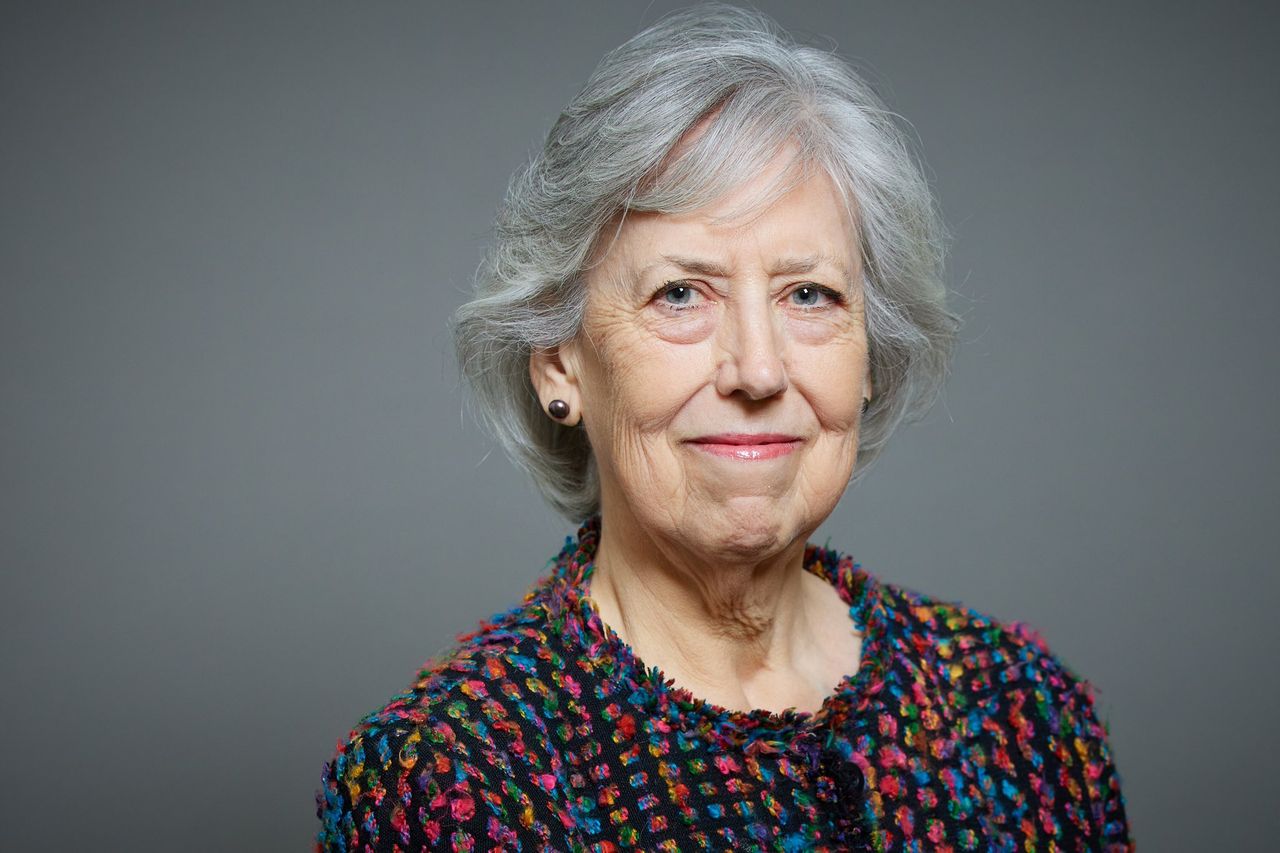
Former director general of MI5, Baroness Mannigham-Buller, has said that homegrown food production is integral to national security.
The Baroness shared her thoughts at the National Farmers' Union (NFU) 2022 Henry Plumb Memorial lecture yesterday (Monday, November 28).
At present, with conflicts like the war in Ukraine putting pressure on energy security and global food supply, she said the government needs to be consistent in planning food supply, as it is part of the UK's national infrastructure.
Speaking at the event, she said: “I believe that food is part of our critical national security, including the essential workers that grow it and harvest it, the farmers that produce our crops, meat, vegetables, fruit and even wine.
“Unless we pay serious and thorough attention to our food security, we risk being increasingly subject to global shocks.
"We need to acknowledge that we should produce as much of our own food as possible and to be able to export what we can, both for growth in the UK economy and to help feed the world.”
Henry Plumb Memorial lecture
The fifth Henry Plumb Memorial lecture took place yesterday, following his death in April of this year. Lord Plumb was NFU president from 1970 to 1978.
Current NFU president, Minette Batters said: “It was an honour to have the Baroness Manningham-Buller speak at the NFU’s Henry Plumb Memorial lecture.
“I was pleased to hear the Baroness say what the NFU has been highlighting for a number of years; that we must take British food security more seriously, particularly in a time when global volatility is threatening the stability of the world’s food production, food security and energy security.
"For this to happen, we need our government to honour the commitments made by Prime Minister Rishi Sunak to set a target for our nation’s food security, with a statutory duty to report on domestic food levels.”