How to plan ahead to keep silage-making safe - NFU Mutual

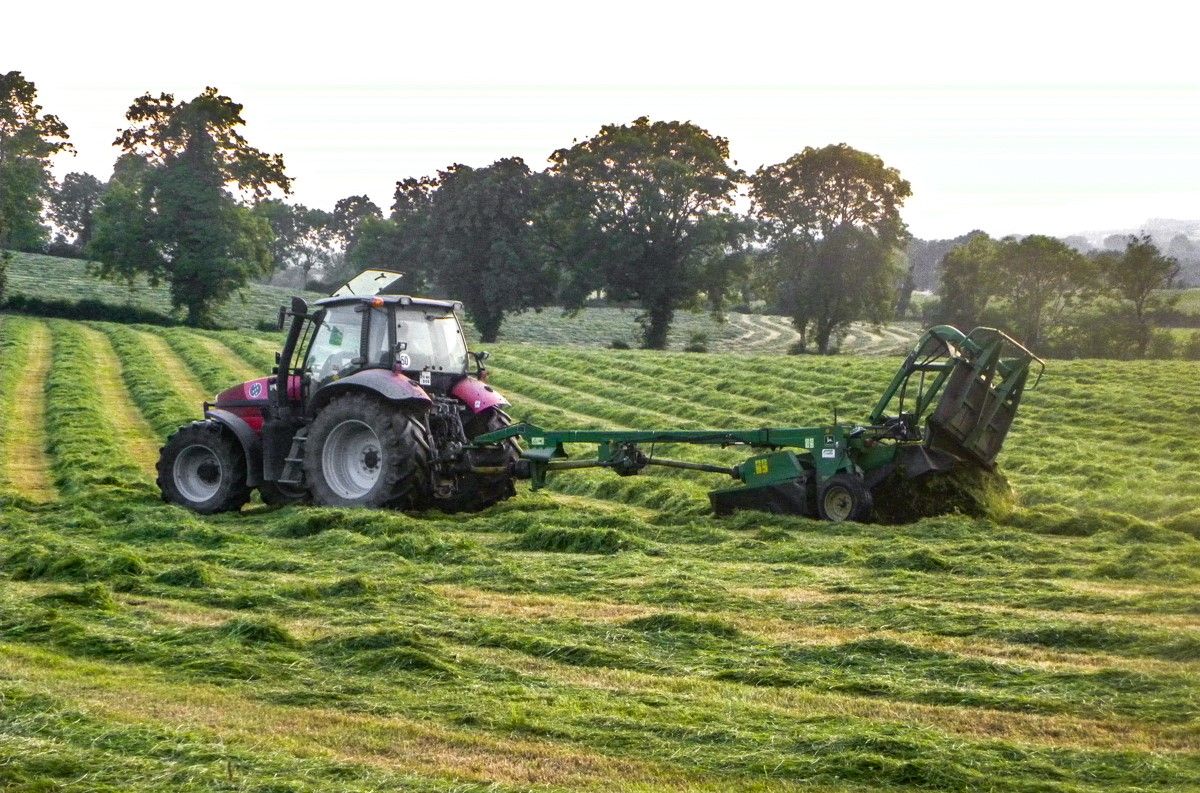
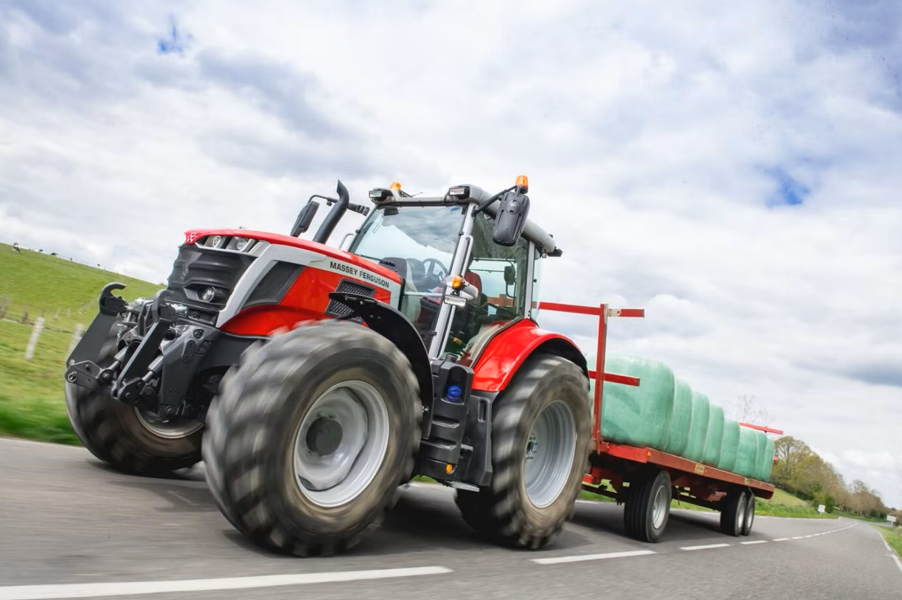
Farmers are being encouraged to plan ahead this silage season by ensuring their machinery is serviced, in order to reduce the risk of accidents and breakdowns during first-cut silage making.
This advice has been issued by rural insurers NFU Mutual, who issued a safety checklist to help farmers have a safe, breakdown-free, and efficient harvest in the coming months.
According to NFU Mutual, the latest figures from the Health and Safety Executive (HSE) display the risks associated with tasks like silage-making as people being struck by moving vehicles accounted for 23% of deaths in the UK's agricultural, forestry and fishing sectors in 2024-2025.
In addition to this, data from the HSE also stated that contact with moving machinery caused a further 16% of deaths in those sectors during that time period.
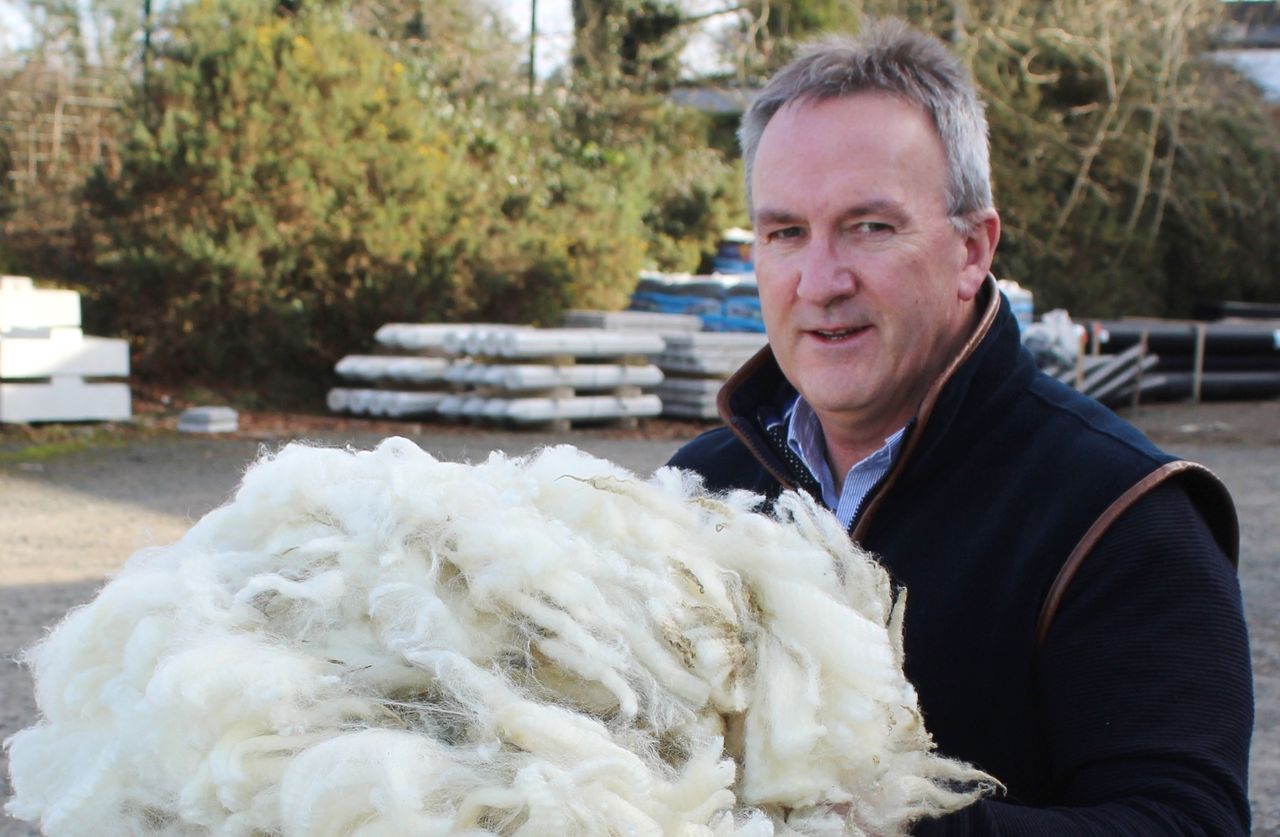
The head of engineering at NFU Mutual, Bob Henderson outlined that is "vital" for farmers to ensure their machinery is "thoroughly overhauled, serviced and checked for safety" as many forage harvesters, mowers and trailer will not have been used for "six months" prior to the upcoming silage season.
Henderson said: "Accidents tend to happen when people are tired, machinery is pushed too hard, or work continues in unfavourable conditions.
"This year, war in the Middle East has led to red diesel prices roughly doubling, adding to the financial pressures that farmers are facing.
"In these circumstances there’s an understandable desire to keep costs down – but skimping on maintenance can put safe working at risk and increase the likelihood of time-consuming breakdowns," he added.
Advice
NFU Mutual listed the following tips to help farmers prepare for a safe silage season:
- Make sure you have identified and assessed the hazards involved with the tasks that will be conducted during harvesting and how to manage the risks;
- Walk silage fields before cutting to identify wet spots and any potentially dangerous slippery slopes;
- Put in place a system for keeping in contact with lone workers;
- Make sure new staff are properly inducted and trained for the work you give them, particularly if they are getting involved with machinery;
- Teach staff about the principles of 'Safe Stop' if they have to leave the driver's seat of a tractor - make sure the handbrake is fully applied, controls and equipment are left safe, stop the engine and remove the key.
- Put in place measures to ensure children are kept away from working areas;
- Make sure staff know the safe working loads of trailers and don’t allow trailers to be overfilled;
- Ensure vehicles and trailers are road legal with fully maintained and working brakes, lights, indicators and flashing beacons;
- Regularly check the age, condition and pressures of tyres.
It also recommended letting local people know, possibly via neighbourhood social media sites, when silage trailers will be on local lanes to help people reroute their journeys, reducing delays and incident risks.
The rural insurers also advised farmers on how to safely work in the fields during silage-making:
- Make sure tractors have sufficient power and braking capacity to control trailers on slippery hill fields;
- Regularly check moving parts of mowers, tedders, forage harvesters and balers, including guards and power take-off (PTO) shafts for wear or damage;
- Switch off engines, remove keys and ensure parts have stopped before clearing blockages or carrying out maintenance;
- Make sure drivers are aware of the locations and heights of overhead power lines and check that the machinery will safely pass under wires and obstructions;
- Take special care to check for vehicles following behind before turning right into fields or yards, as this is a "common cause of accidents";
- Regularly clear up any mud deposits from roads;
- Keep a mobile phone on you at all times and take regular breaks to eat, drink and rest to reduce tiredness.
For farmers storing grass in silage clamps after it is harvested, NFU Mutual recommended the following tips to farmers for them to take onboard:
- Keep people away from moving vehicles;
- Ensure a filling plan is followed and that sight rails are visible at all times;
- Never overfill a silage clamp as this increases the "risk of vehicles overturning when rolling or filling";
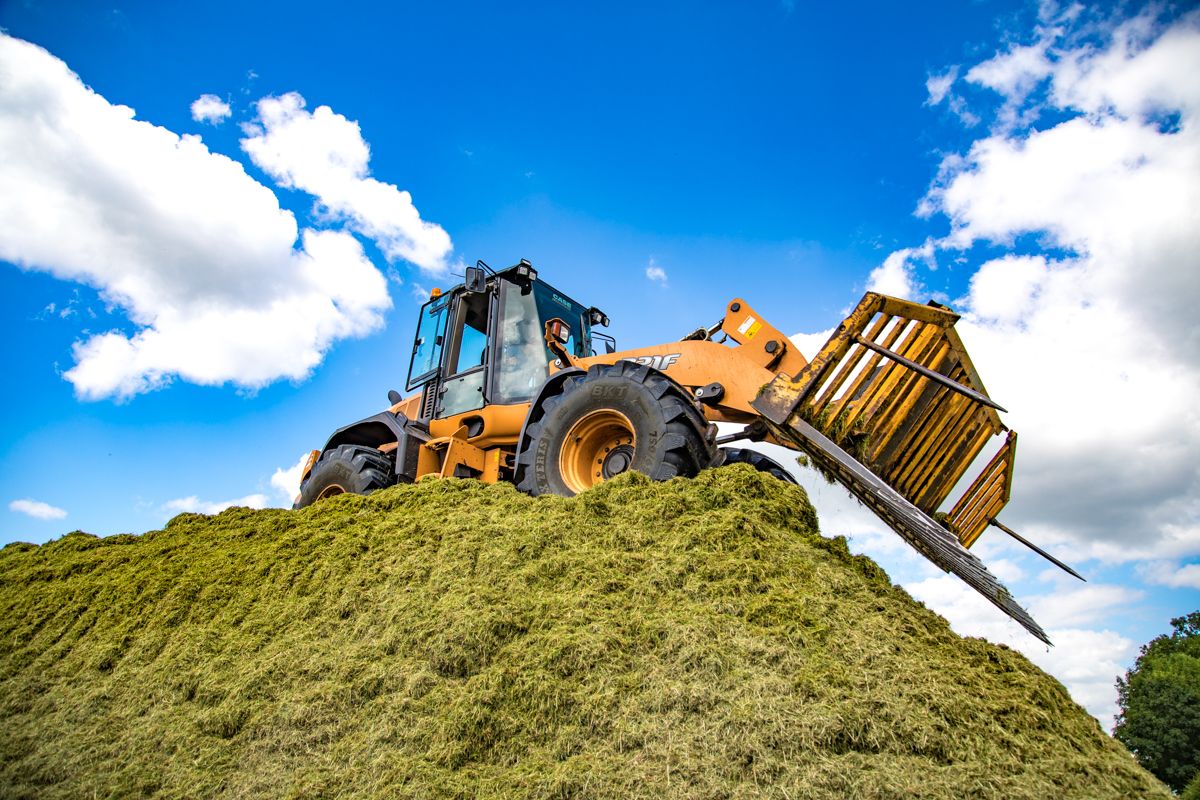
- Only use vehicles that are suitable for the task - it should have attributes such as being fitted with an approved safety cab or Roll over Protection Structure (RoPS), well-lugged tyres, suitably weighted, etc.
NFU Mutual also highlighted that for indoor clamps, farmers should keep away for the first 72 hours after filling, as this is when dangerous nitrogen dioxide gas can form in large quantities.
When sheeting, unsheeting or removing tyres from a silage clamp, if possible, use a mobile working platform or a hook on a pole as farmers should keep clear of the edge of the clamp by "at least 1m".