How to spot avian influenza in your birds
Outbreaks of avian influenza (bird flu) have been reported across not only Great Britain, but the European continent recently.
This is due to wild birds, who are migrating for the winter, spreading the disease as they travel.
The disease is spread from bird to bird, by direct contact or through contaminated body fluids and faeces.
Bird keepers should note that it can also be spread by contaminated feed and water or by dirty vehicles, clothing and footwear.
There are two types of avian influenza; Highly-pathogenic avian influenza (HPAI) is the more serious type and often fatal. This strain has been reported in Great Britain.
The main signs of HPAI, given by the Department for Environment, Food and Rural Affairs and the Animal and Plant Health Agency are:
Clinical signs can vary from species to species. Ducks and geese for example, may show minimal clinical signs.
The second strain, low pathogenic avian influenza (LPAI) is less serious. It also shows more vague clinical signs.
This strain can cause minor breathing problems and a reduction of egg production, but affected birds will not always show clear signs of infection.
LPAI can be more serious if a bird already has another illness.
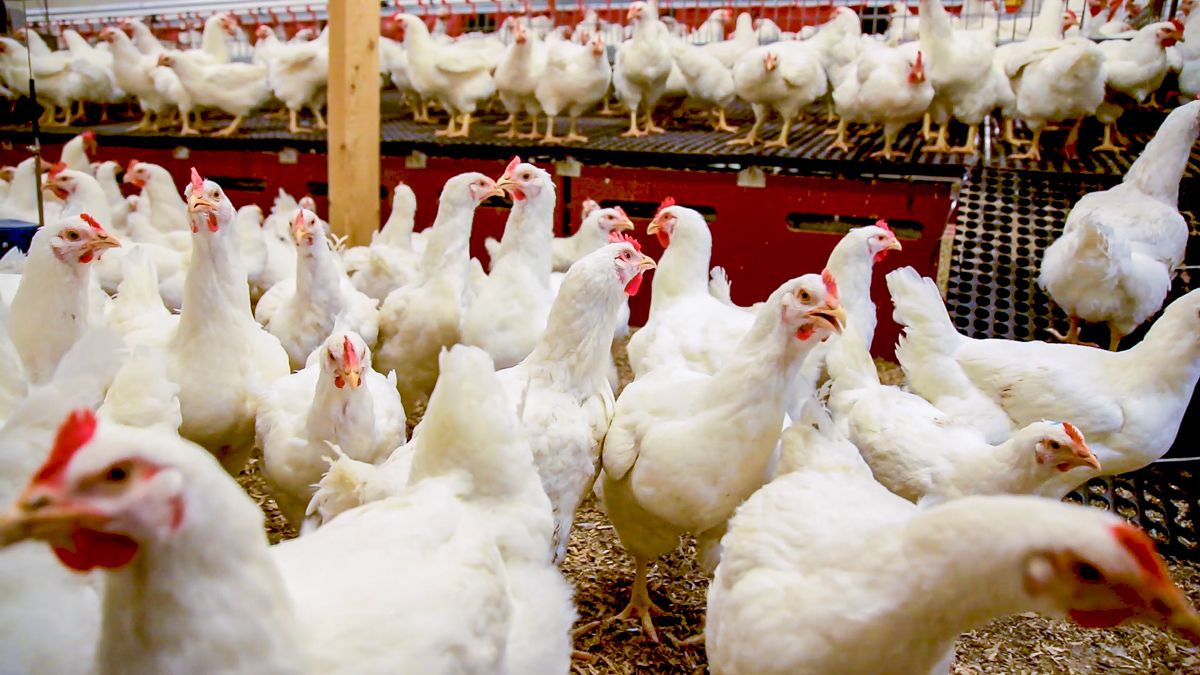
Anyone who keeps poultry is urged to keep a close watch for signs of the disease and to contact their vet promptly should they have any concerns.