Livestock worrying remains 'serious cause for concern' - NFU
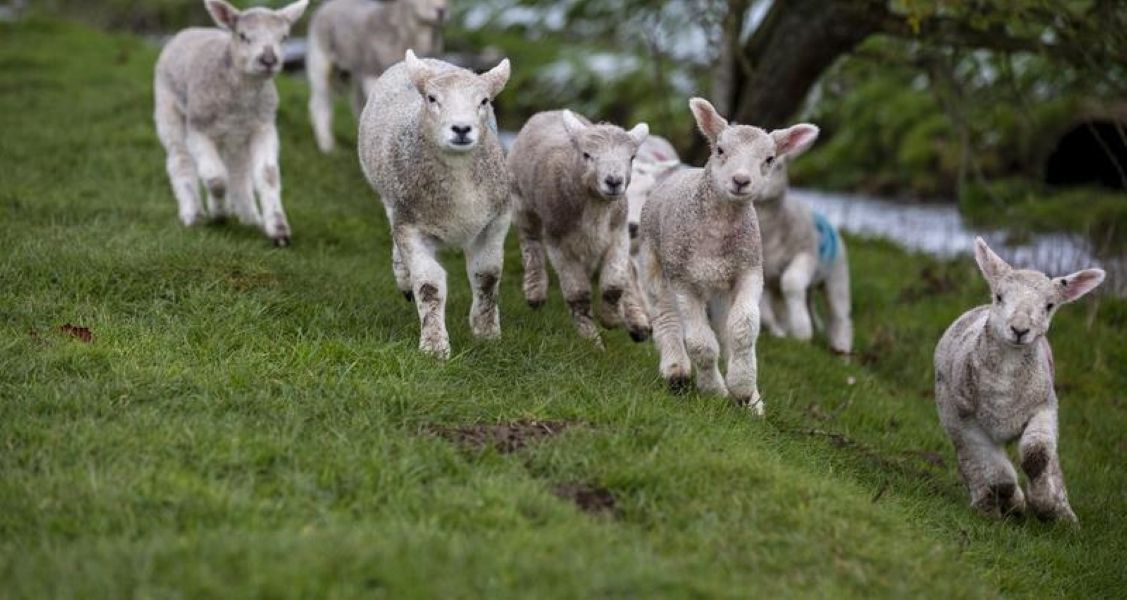
The National Farmers' Union (NFU) has reiterated and republished prevention advice and legal information regarding livestock worrying.
The union said livestock worrying remains a "serious cause for concern for many farmers" as it has a devastating impact on those affected.
As a result, the NFU has compiled a "guide on action" for farmers to take if an incident occurs and steps to help prevent against the crime of livestock worrying.
Livestock worrying
The union has declared the definition of livestock worrying as when a dog or dogs attack or chase livestock on agricultural land.
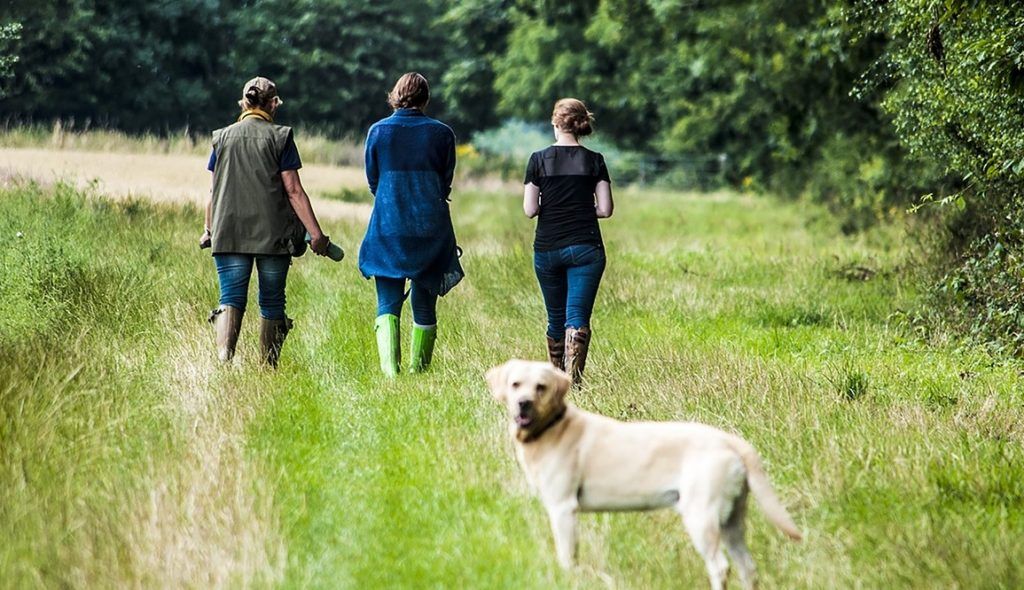
The union's insurance branch, NFU Mutual, published its rural crime report for 2023 yesterday (Tuesday, August 1) which revealed that UK farm animals worth an estimated £1.8 million were killed or injured by dogs in 2022.
Rural business policy advisor at NFU Scotland, Rhianna Montgomery, said spring of this year saw a “constant stream of reports of cattle and sheep being attacked by dogs”.
In the event of an incident of livestock worrying, the NFU has advised farmers to document evidence by either getting somebody to film or taking photographs themselves of what is happening and taking note of identifying details.
These can include checking to see in the person responsible gets into a car and then taking notes of the vehicle's details.
The union said those affected should then speak to their insurer to see if it is able to offer additional help or advice.
Prevention measures
The NFU said there are simple steps that farmers can take to help prevent dog attacks happening on their land.
These include:
- Putting up signs to encourage dog walkers to keep their dog on a lead around livestock;
- Reporting any incident of worrying to the police, even if the animals are not directly attacked or killed;
- Helping to educate the local community by engaging with relevant groups like local dog training classes;
- Using social media and taking part in events to spread awareness and encourage responsible dog ownership in the area to help prevent livestock worrying.
Legal information
The union has encouraged farmers to be aware of the laws regarding livestock worrying.
It is currently an offence to allow a dog to worry livestock and the offence carries a maximum fine of £1,000 to those found guilty.
The Animal Welfare (Kept Animals) Bill introduced to parliament on June 8, 2021, included new measures aimed at cracking down on dog attacks on livestock.
"Improved police powers should enable them to respond to livestock worrying incidents more effectively," the NFU said.
"This can make it easier for them to collect evidence and in the most serious cases seize and detain dogs to reduce the risk of further incidents."