Millennials could 'hold the answer' for horticulture's labour woes
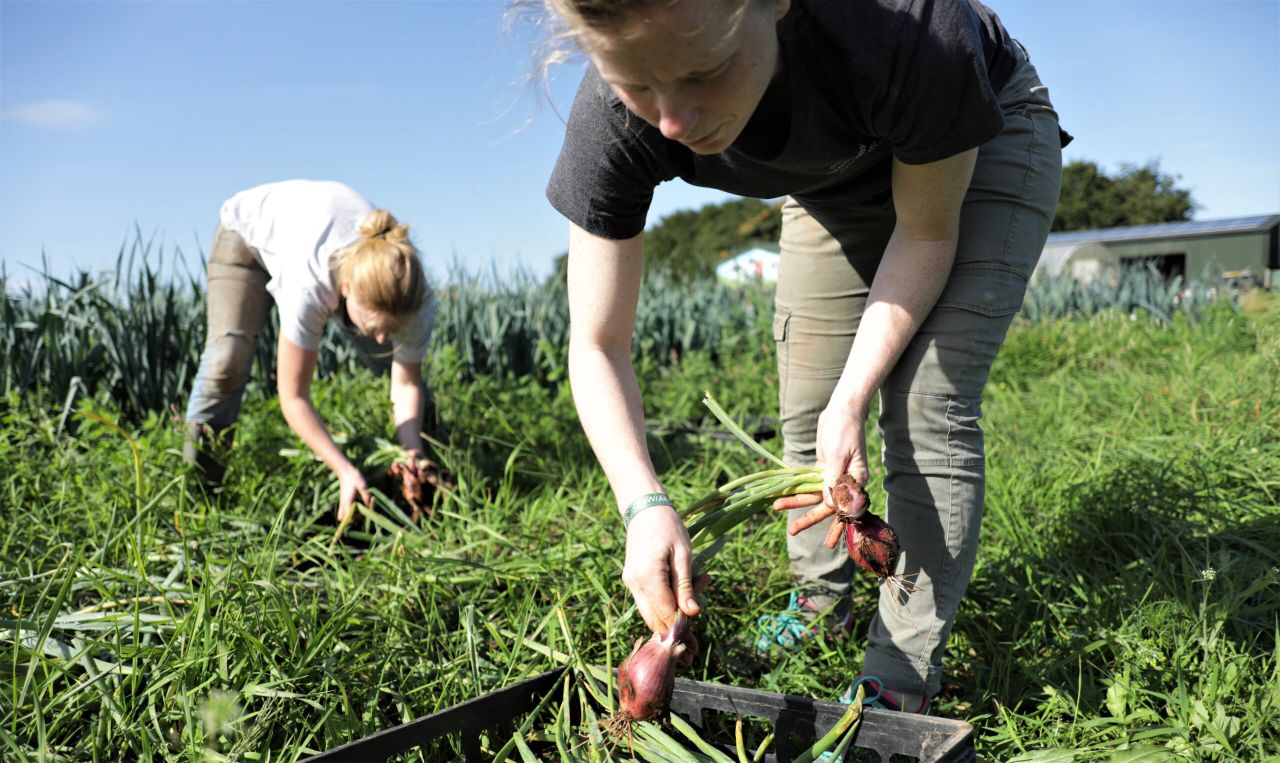
Work needs to start now to inspire young people to take up careers in horticulture and reduce agriculture’s reliance on migrant labour in the face of Brexit, according to a new Soil Association report.
New research with millennials forms the basis of Digging into Horticulture: Encouraging the Next Generation of Producers, in light of the increasing danger that Brexit could diminish access to the pool of migrant labour.
It found UK millennials generally have a negative perception of horticultural careers, seeing the work as low-paid and low skilled, and are unlikely to consider roles like fruit and vegetable picking.
However, the research suggests younger British workers might consider more senior or technical jobs in horticulture if those roles were more connected to their generational priorities, such as career progression and ethical practices.
'Millenials could hold the answer'
The report urges the sector to come together to push for increasing government support for horticulture through the upcoming Agriculture Bill, in particular, maintaining the EU Fruit and Vegetable Aid scheme which provides support to horticultural producer organisations.
Honor Eldridge, Soil Association policy officer and author of the report, said: “The UK’s horticulture industry is heavily reliant on migrant workers and there’s a risk that a post-Brexit labour shortage could jeopardise our domestic fruit and vegetable supply. Younger generations hold the answer.
A new vision of horticulture is needed to show how it delivers millennial values like autonomy, social responsibility and community engagement.
"By enhancing entry points and perceptions of the sector and continuously improving working conditions, we can show young people how exciting and rewarding a career in horticulture can be.
“Positive initiatives like the upcoming Fruit and Vegetable Alliance, which the Soil Association is supporting, are needed to promote production and consumption of UK fruit and vegetables.
“However, this shift in attitudes won’t happen overnight and robotics are also unlikely to fill the migrant labour gap in the short term, so the government must commit to maintaining access to migrant labour post-Brexit.”
Rachel, aged 26, a research participant, said: “I want my job to make me feel fulfilled, and to have a meaningful job that is in line with my principles.
"I want to make a difference to other people and feel like I’m working towards change.”
Report recommendations include: