'More robust' Rainforest Alliance standard to address 'climate-smart' agriculture and child labour
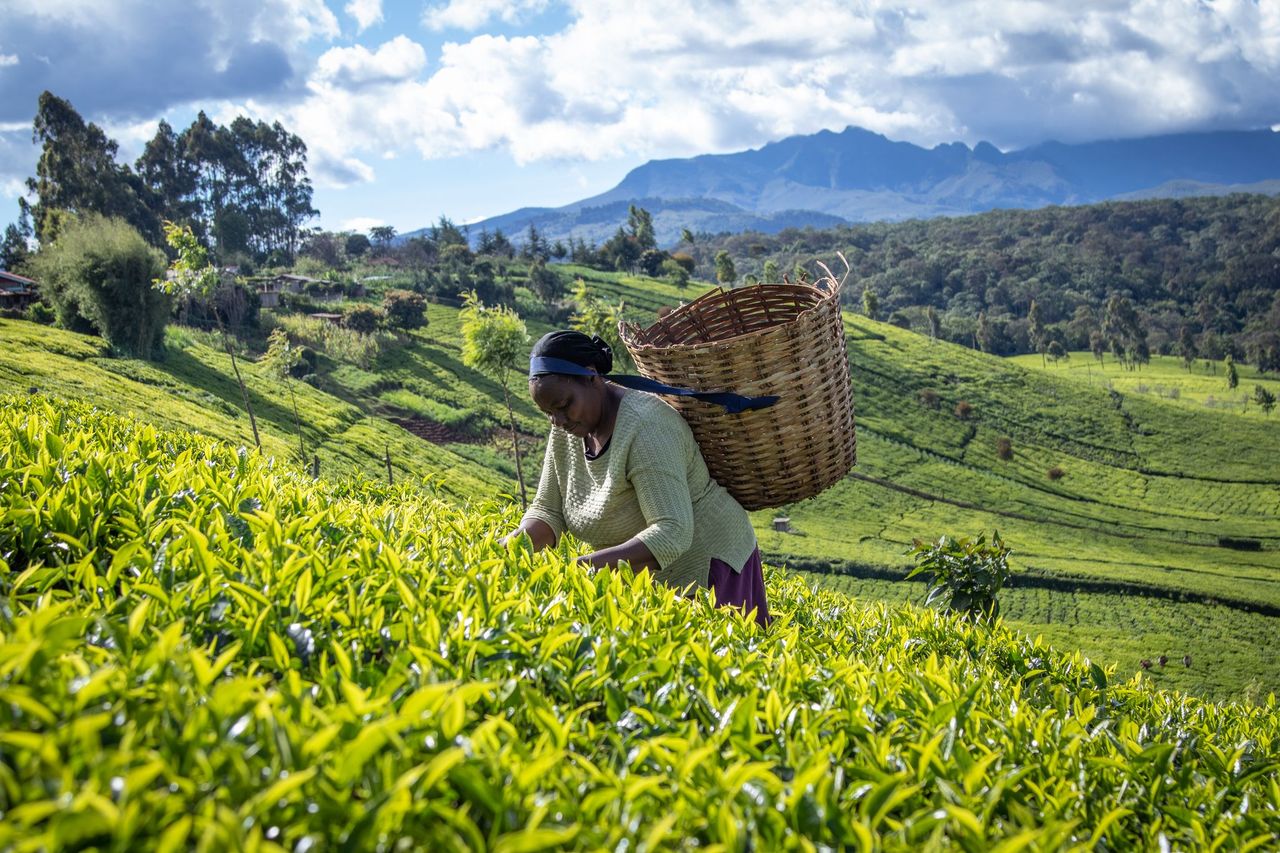
New standards unveiled for the Rainforest Alliance’s sustainability certification tackle some of the darkest issues affecting agriculture in developing countries, such as child labour.
The new rules published today (June 30), also seek to encourage 'climate-smart' farming.
The new program will replace the existing Rainforest Alliance and UTZ kapeh certification programmes from mid-2021.
The international non-profit organization expects at least two million farmers around the world to use the new certification programme to produce better crops, adapt to climate change, increase their productivity, and reduce costs.
The new programme consists of the Sustainable Agriculture Standard with requirements for farms and supply chains, along with a new assurance system and a range of tools to measure progress towards key sustainability objectives.
The two years of work to reach this point build on the organization’s combined 45 years of certification experience following the merger of the Rainforest Alliance and UTZ in 2018.
Ruth Rennie, director of standards and assurance at the Rainforest Alliance, explained: “The new certification program incorporates new tools to support farmers and companies to set clear sustainability targets and focus investments to improve positive impacts for people and nature.
These tools and innovations will support more resilient agriculture and help make responsible business the new normal. This is increasingly urgent in our age of climate change, biodiversity loss, and global inequality.
In May of this year, the Rainforest Alliance also released its new seal, which can be used on product packaging and promotional materials from September 1, 2020.
The new seal will eventually replace the current Rainforest Alliance Certified seal and the UTZ label. The new certification seal is a simple visual that shows consumers how to make a better choice.
Additions to the 2020 certification programme
One of the biggest changes is a crackdown on human right infringements. The programme will take a new “Assess-and-Address” approach to tackling human rights issues such as child labour, forced labour, discrimination, and workplace violence and harassment.
However, rather than imposing a simple ban that often drives the problem underground, the new approach focuses on assessing the risks and engaging local communities to work together to prevent and address the issues wherever and whenever they may occur.
Other key additions to the new certification programme include: