New measures to crack down on fly-tipping
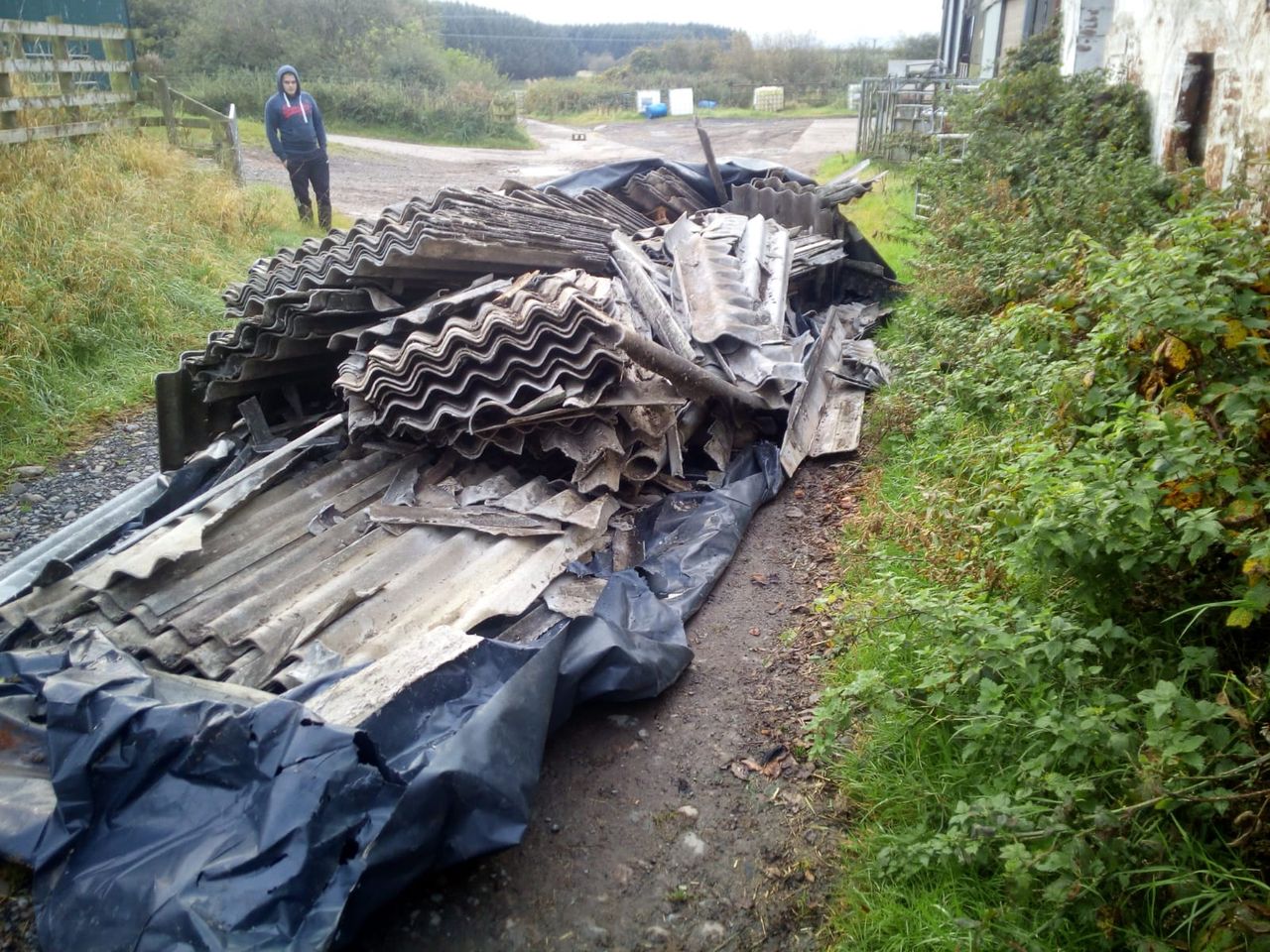
The Department for Environment, Food and Rural Affairs (Defra) has announced new measures to crack down on fly-tipping across the country.
They comprise plans to save money for households disposing of DIY waste; a new grant to fund local authorities to crack down on fly-tipping; and reviewing booking systems at recycling centres.
DIY waste
Under the proposals, households will no longer be charged to get rid of 'DIY waste', including plasterboard, bricks and bath units.
DIY waste items are materials created from the construction, demolition, alteration or repair of a home or garden, i.e. plasterboard, bricks, bath units, fence panels, soil and turf.
According Defra, around a third of local authorities still charge for certain types of DIY waste using rules designed for construction waste. Changing this could save households up to £10 for an individual item.
Funding
Local authorities can bid for grants of between £25,000 and £50,000. A total of 11 grants will be awarded, to the following councils: Durham, Newham, Eastleigh Borough, Buckinghamshire, Stevenage, Winchester, Dover, Thanet, Telford and Wrekin, and Basingstoke and Deane.
The new fund, which totals £450,000, will help support projects such as:
Booking system
A call for evidence on the use of booking systems at recycling centres has also been launched (today, Monday, April 11), amid concerns that these could be making it harder for people to dispose of their waste, thus increasing the risk of fly-tipping.
The government is also consulting on and considering further options to continue to tackle the issue of fly-tipping, including possibly amending legislation so that householders cannot be charged for DIY waste at recycling centres and considering making manufacturers responsible for the costs of dealing with waste created by their products.
“When it comes to fly-tipping, enough is enough. These appalling incidents cost us £392 million a year and it is time to put a stop to them," said Environment Minister Jo Churchill.
“Furthermore, the funding that we have announced for local authorities today will help them trial innovative new projects to put a stop to fly tipping. We will learn from the successes – and replicate them.”