Dairy
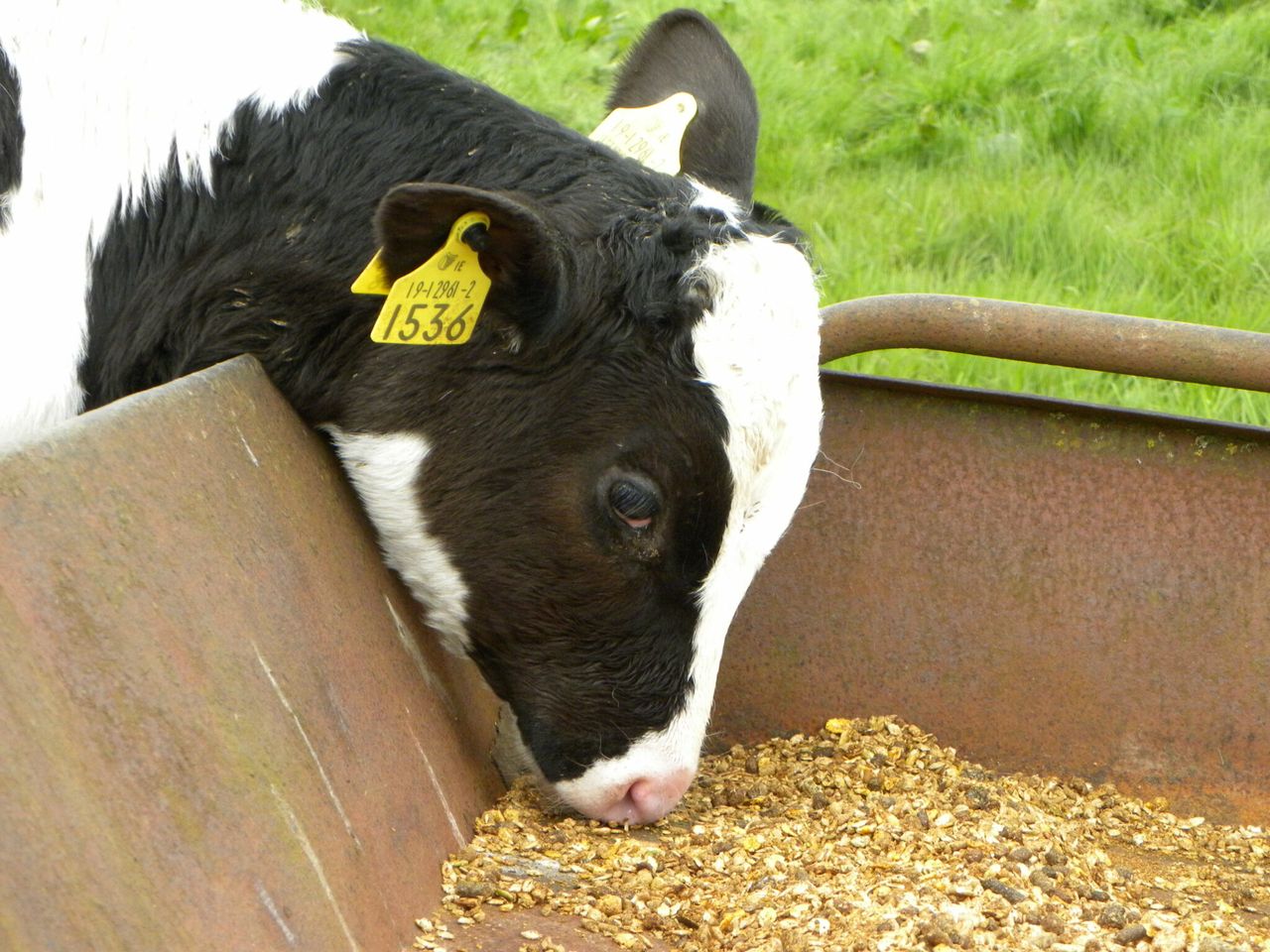
On farms where calving begins in mid-January, there will now be calves between nine and 10-weeks-of-age, and it may be time to start...
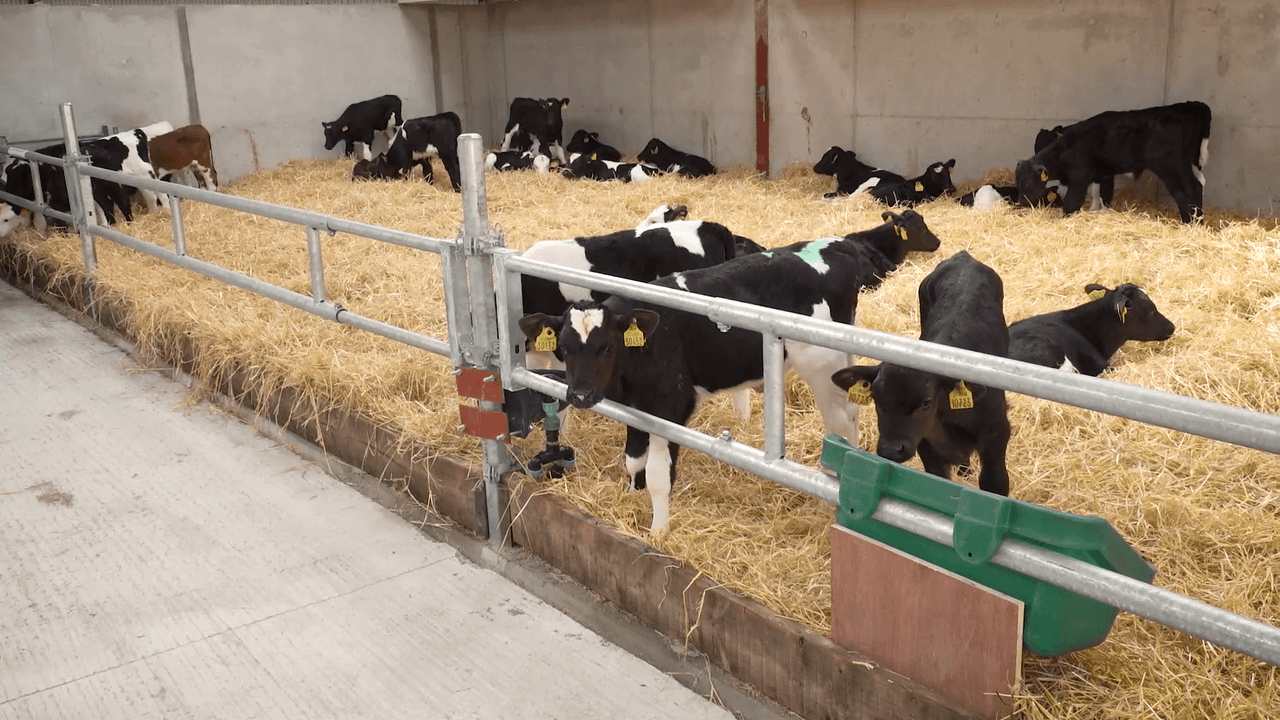
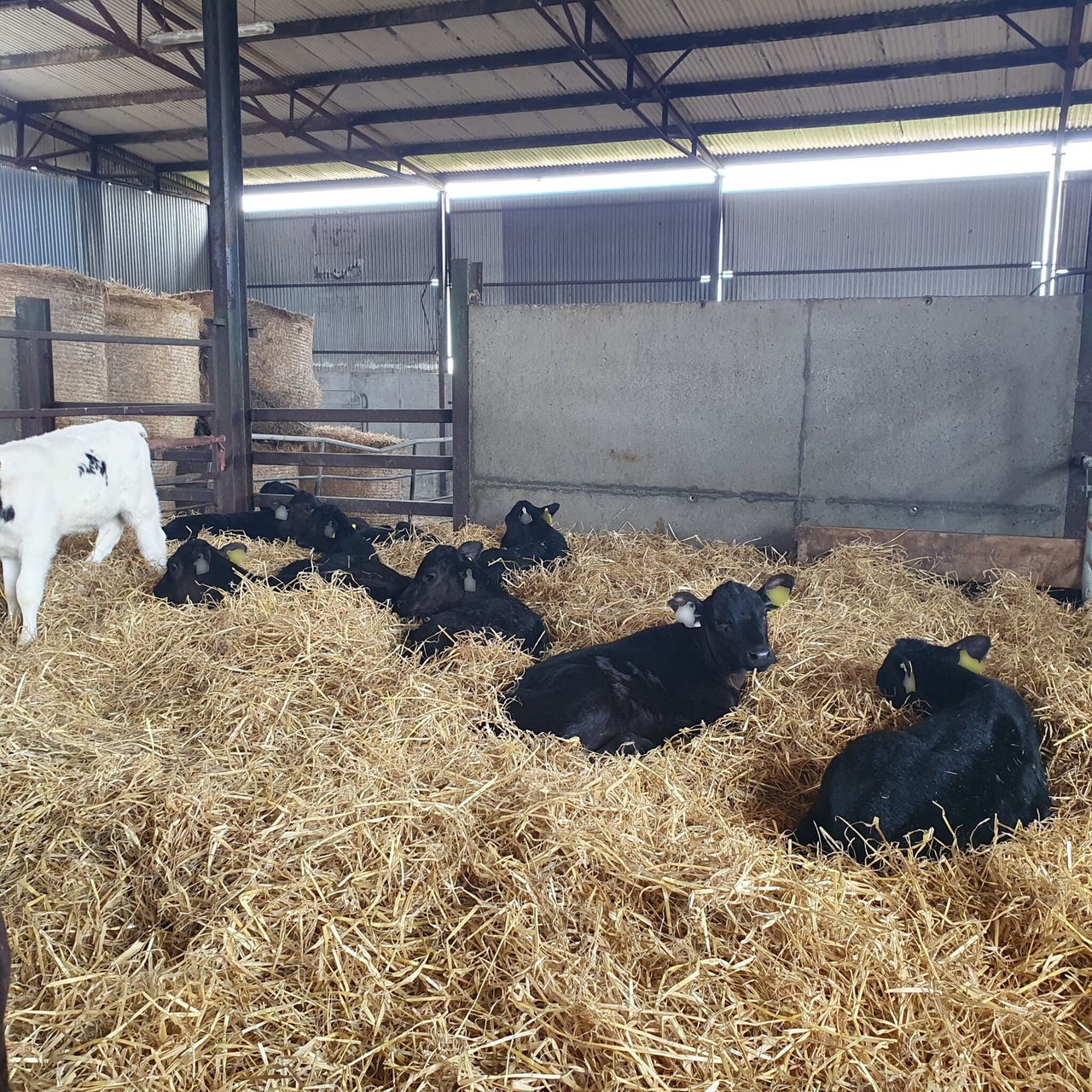
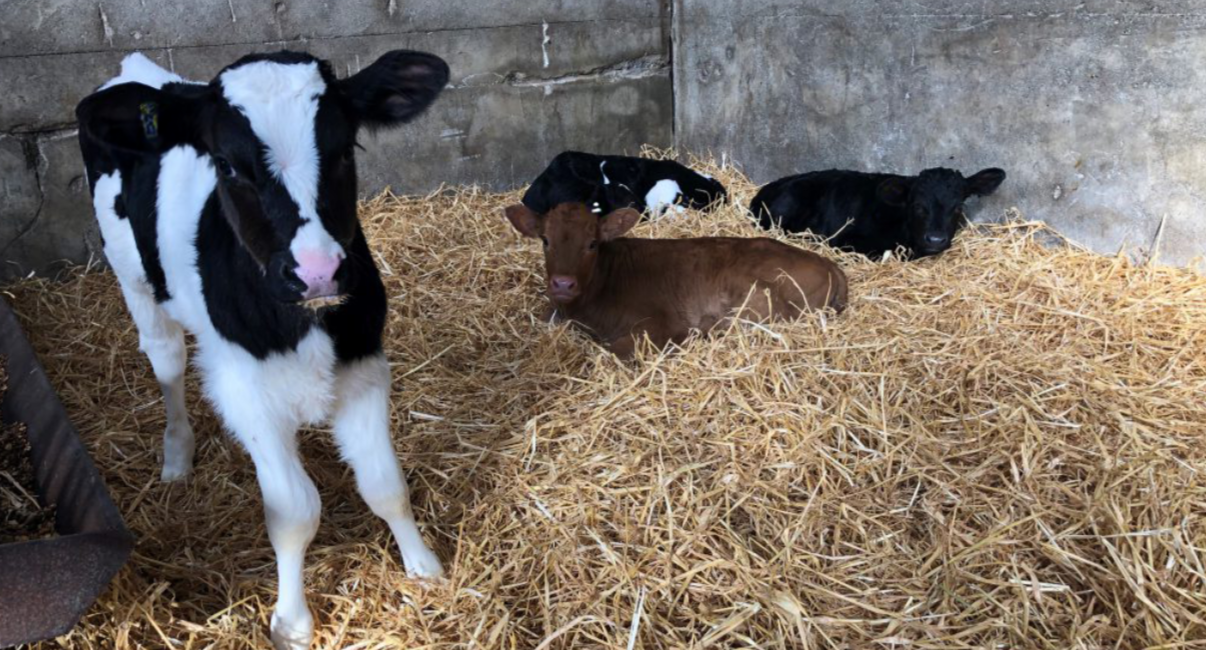
Calf sheds on many farms now full and the bacterial load inside them is quite high, which means that calves are now at higher risk..
N.Ireland
As calf sheds begin to fill on farms this spring, pneumonia can begin to become an issue on many...
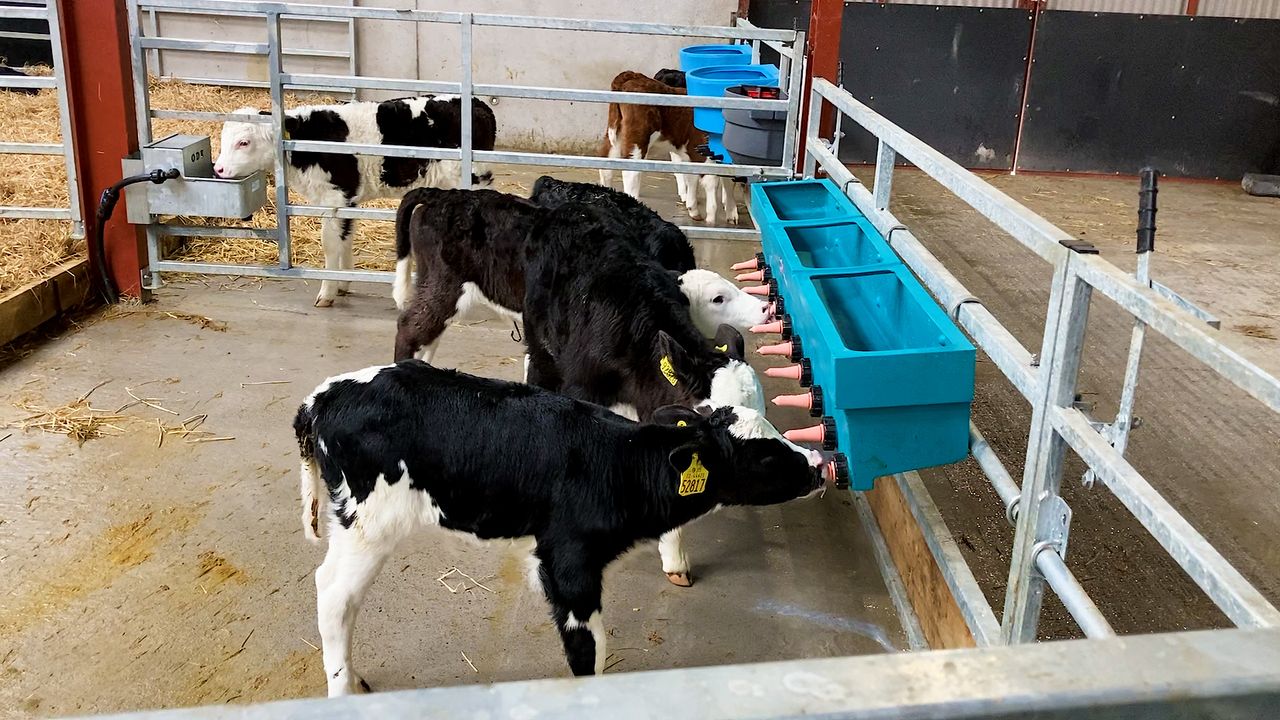
Calves on many farms are now old enough to transition to once-a-day (OAD) feeding, which can reduce the workload considerably on farms.
Early identification of sick calves is key to getting them treatment and preventing the spread to other calves in the pen or shed...
Fat cows need to be closely monitored, as they are high risk for issues around calving. Over conditioned or ‘fat’ cows pose a risk as the...
A displaced abomasum is not an uncommon occurrence during the calving season on dairy farms, and will present itself in a similar...
Occasionally, abomasal bloat will be an issue on farms – with clostridium bacteria or lactic acid usually to blame for producing the gas...
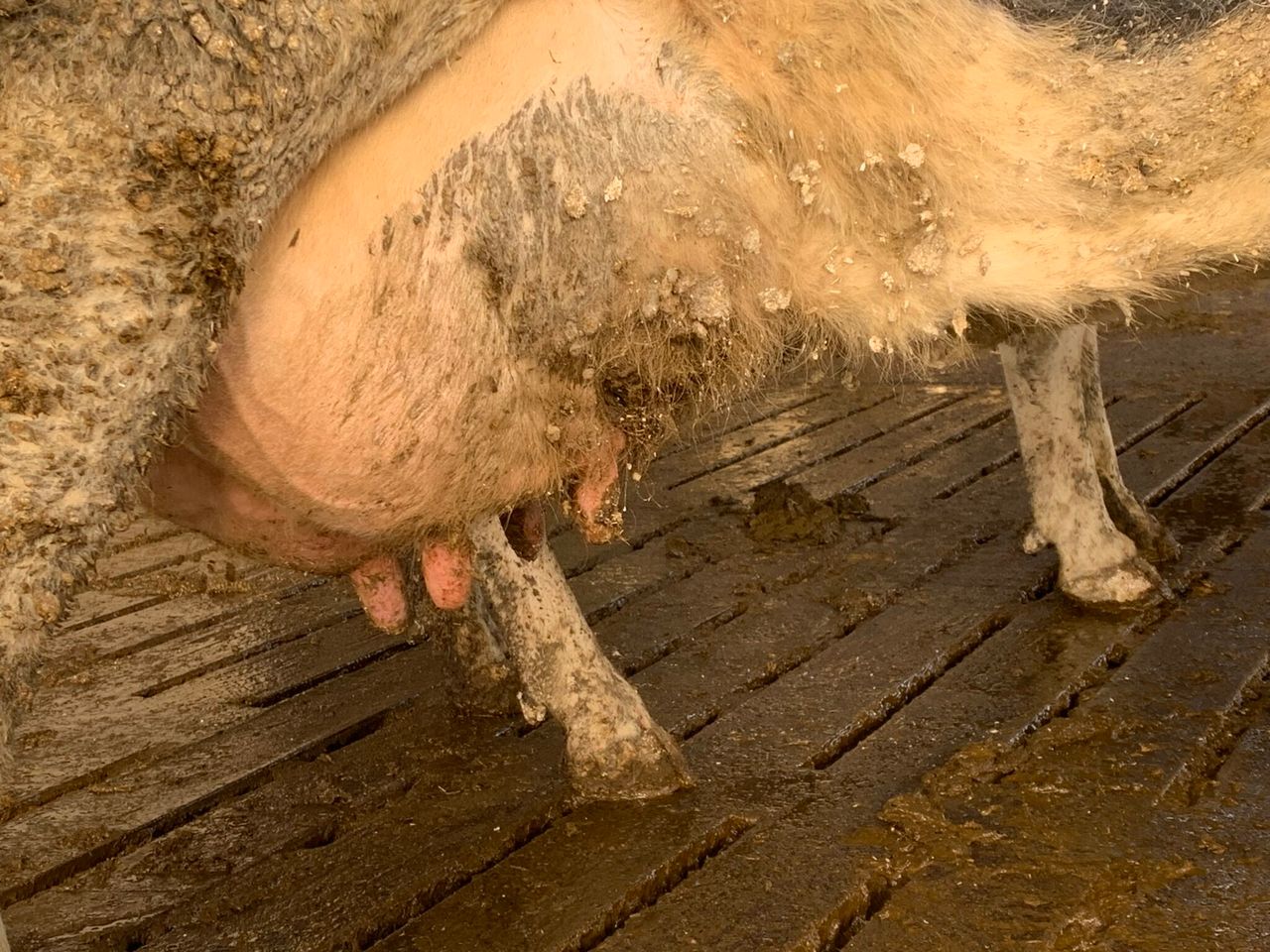
Shortly after calving is a high risk period for Eacherichia coli (E. coli) mastitis, which is commonly associated with severe toxic cases.
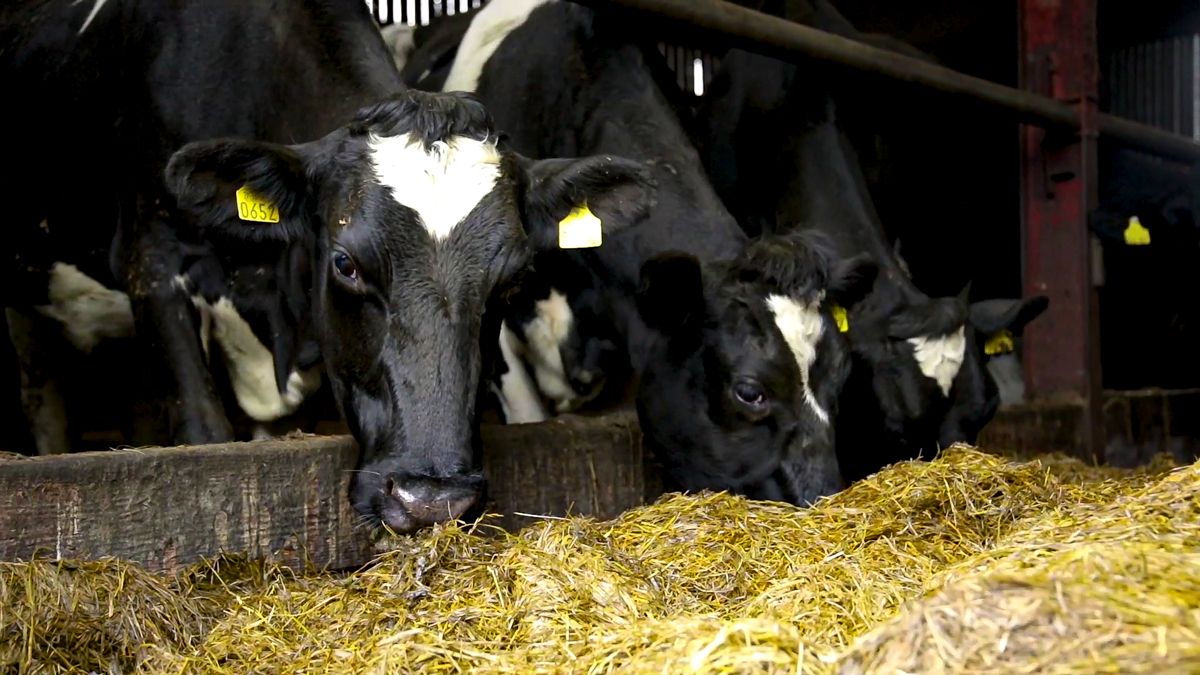
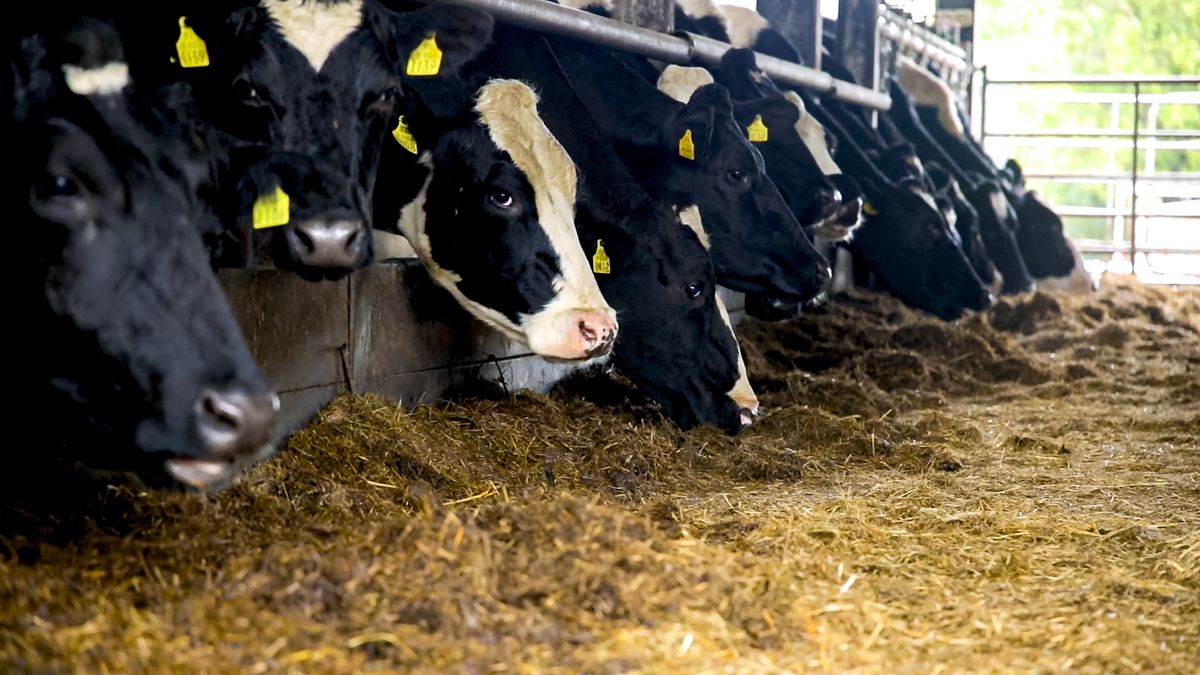
Ensuring that there is adequate feed space and cubicles is going to be vital over the next few weeks on dairy farms...
With calving due to get underway on dairy farms in the coming days, one thing that should be put in place is a herd health plan...
The cleaning out of a calf shed is vital in order to maintain growth performance and health in your calves during the rearing period.
Ensuring that colostrum quality is high among your cows before the start of calving should be a focus on dairy farms.
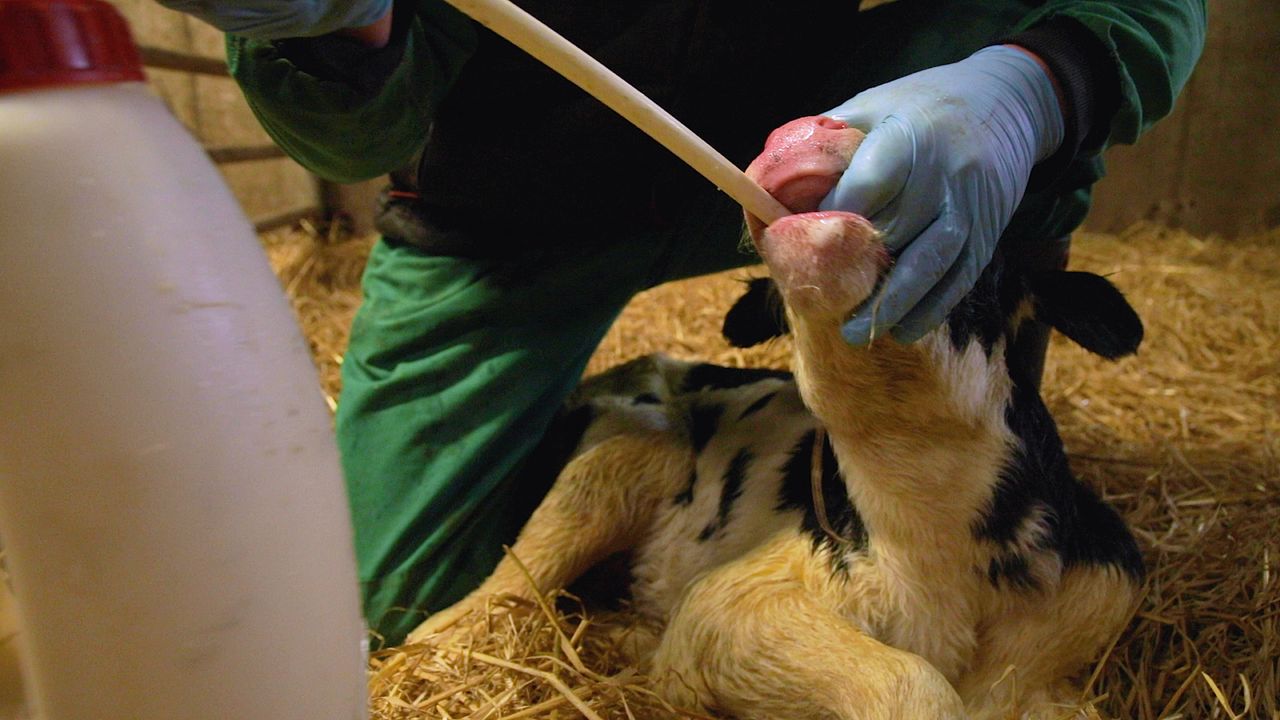
Stomach tubing calves is the preferred option for many farmers when feeding calves colostrum shortly after birth.
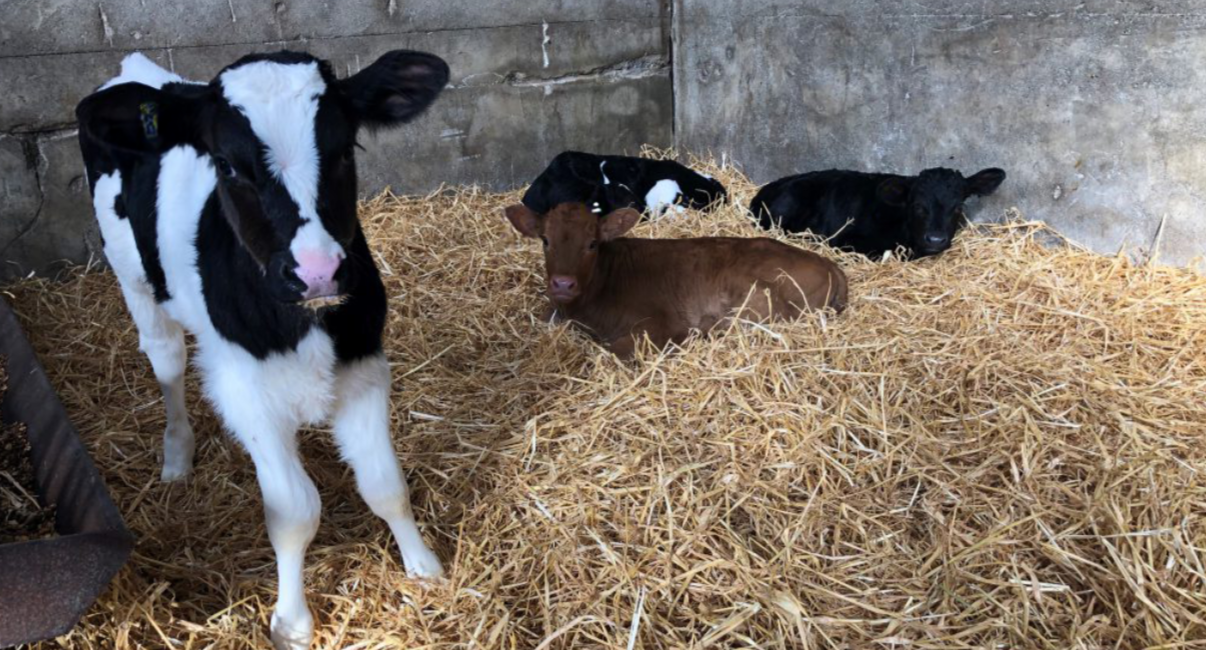
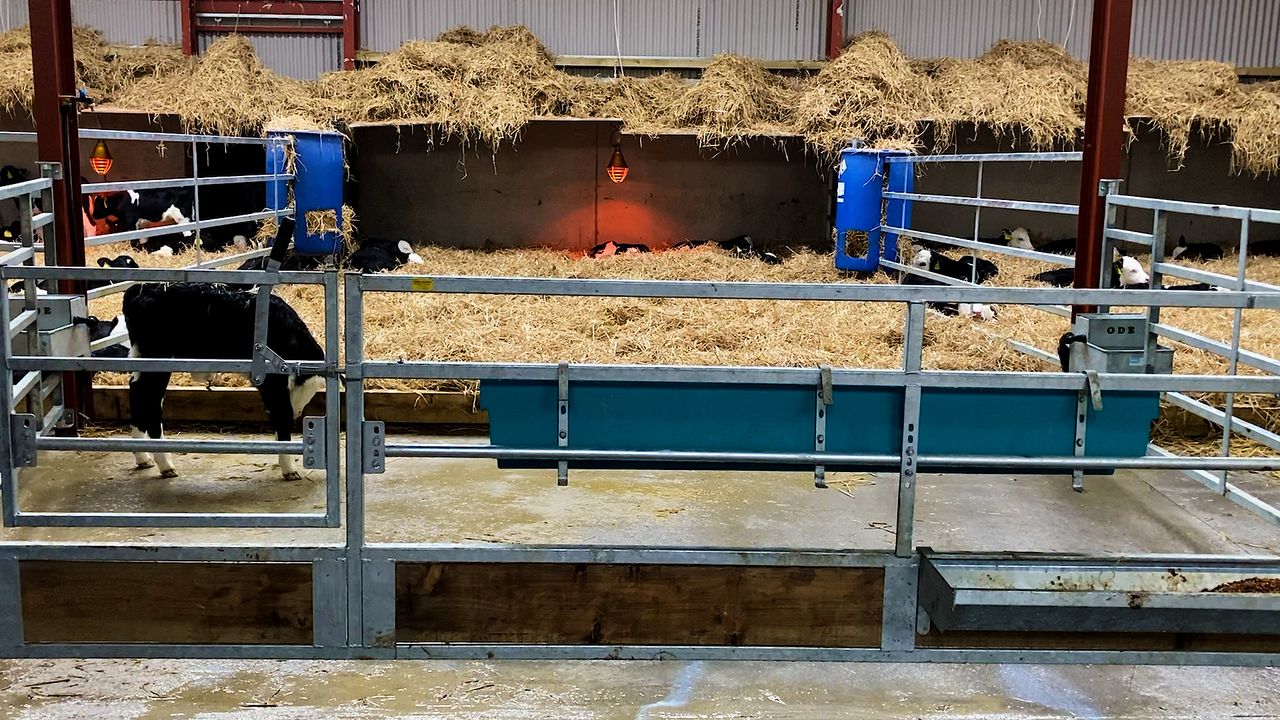
Calves will be arriving on farms in the coming weeks, meaning it is now time to ensure that you are ready for their arrival.