Beef
Wavering consumer demand in response to steep price inflation ‘may limit upward movement’ in UK cattle prices, according to AHDB
Agri-Business
According to a RaboResearch report, geopolitics and seasonal conditions are shaping global beef trade flows
NFU livestock board chair Richard Findlay has voiced his "concern" over the recent price trends in the UK beef market.
N.Ireland
Foyle Food Group has reported a €2.3 million drop in pre-tax profits to €11.1 million for 2022, chiefly blaming an increase in costs.
Beatties’ Livestock Sales has acquired Fivemiletown Mart in Co. Tyrone. The business was...
Co. Down suckler beef farmer Sam Chesney is confirming that more than £5/kg is now available for...
Store cattle producers are seeing average prices of £30 to £50 per head lower than last year, according to QMS analysis.
The prolonged period of dry, hot weather is beginning to impact on the livestock market as the effects of lack of forage availability and reduced livestock growth rates start to become evident.
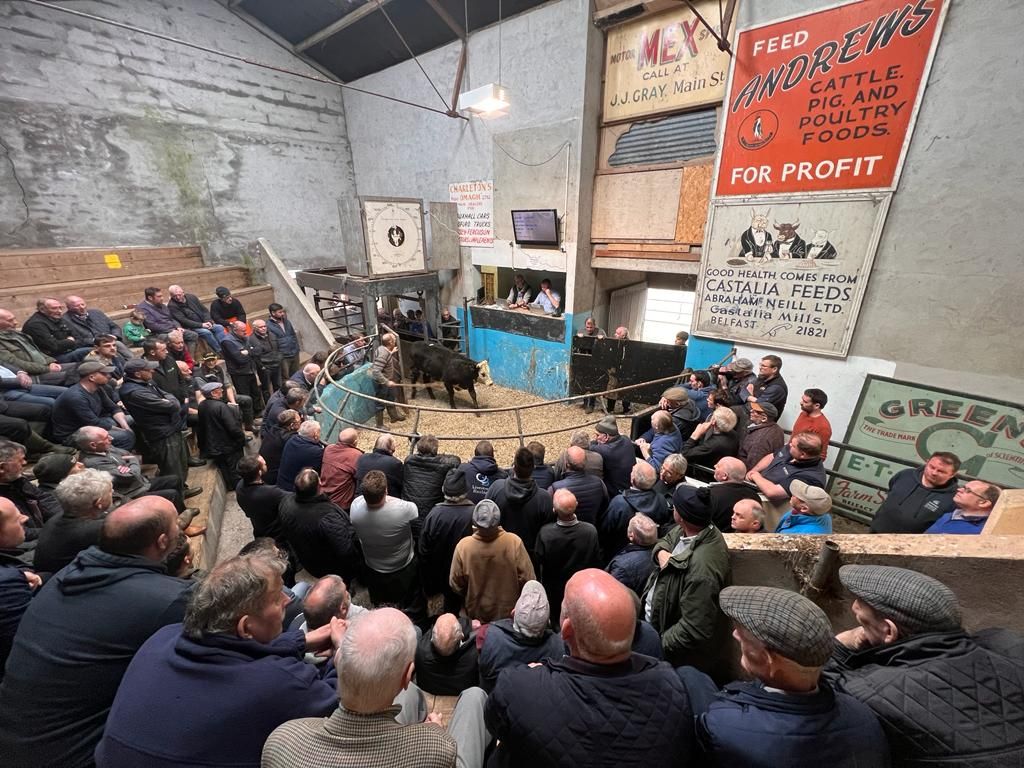
Cattle numbers remain steady in marts across the country with quality stock easily sold, while plainer animals prove more difficult.
The cattle trade remained steady in marts throughout the country this week, with the Turkish export trade is continuing to support lighter animals.
UK and Irish beef prices continue to go in different directions with British prices up significantly in the past six weeks.
UK bosses of ABP and Dunbia appeared on front of UK Parliment's Environment, Food and Rural Affairs Committee this week over changes to the UK cattle grading system.
Farmers share of the retail beef price in the UK has improved in recent months, according to latest figures from the AHDB.
Last month, for the week ending August 7, the price differential between the North and the Republic stood at 7.8c/kg.
The balance between supply and demand that has characterised the British cattle trade recently has continued in the latest week, according to the AHDB.
A suggestion to limit the journey times of animals to slaughter has been shot down by the European Commission.
Latest figures on weekly cattle supplies at Irish export meat plants have shown supplies breaching the significant 30,000/week mark for the past two weeks.
With notable competition from British processors for cattle meeting supermarket specification against another week of tight supplies, the cattle trade in Britain has found some added impetus.
The largest meat processor in the world, JBS, has confirmed its plans to move its headquarters to Dublin.
In addition to tighter supplies, the weakness of sterling and the consequent unattractiveness of Irish beef in the UK is driving British cattle prices higher.
There was more upward pressure in the UK cattle trade again last week on the back of a tighter demand/supply balance
Anthelmintic resistance has been detected on some Irish cattle farms.
The excellent grass growing conditions of the last week has brought farmers out in force around the ring at cattle marts