Environment
England’s farms have reduced their impact on the environment over the past decade, according to Rothamsted Research.
Arable
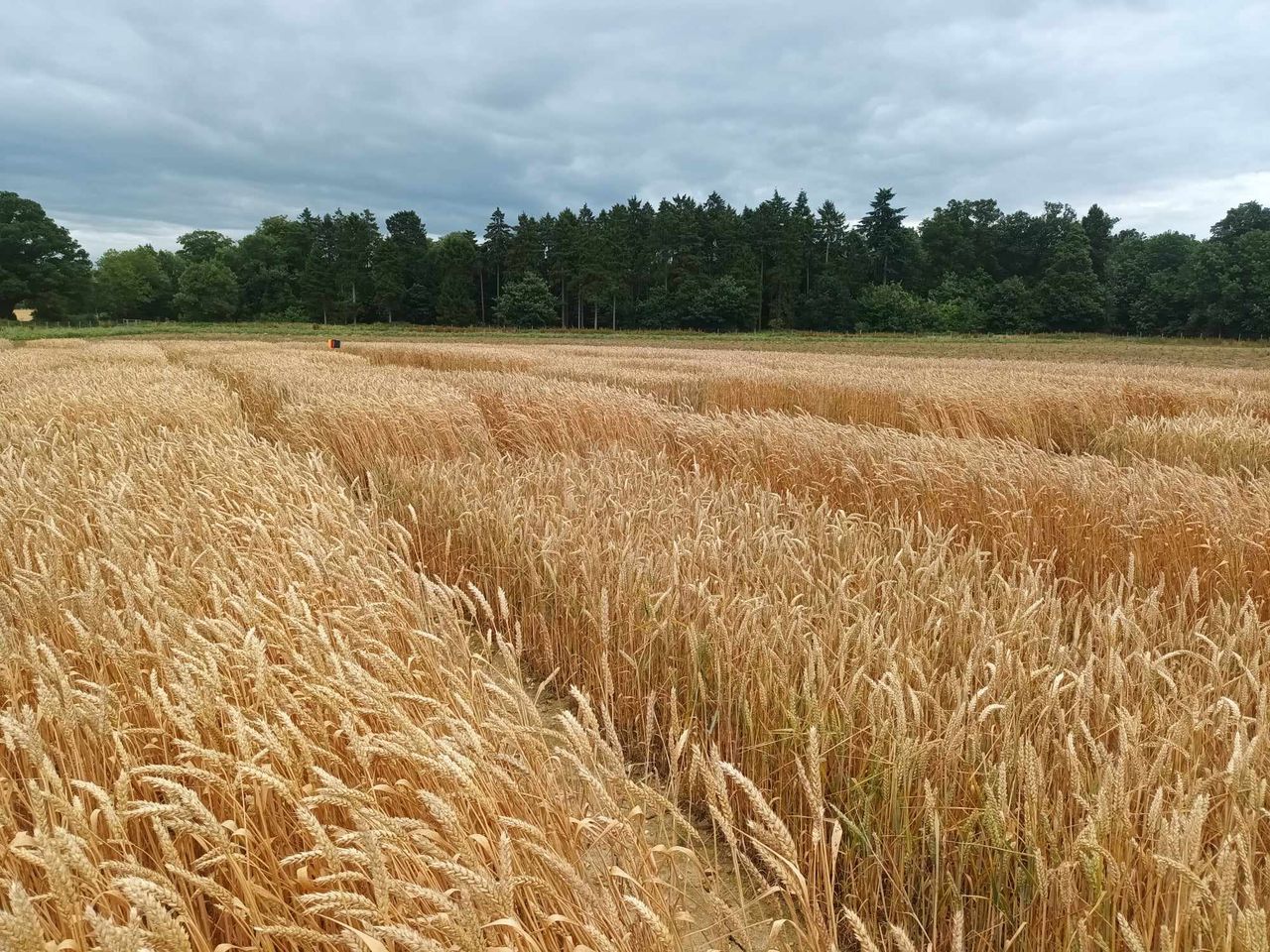
Scientists at Rothamsted Research have developed wheat with dramatically reduced levels of asparagine, using gene editing techniques.
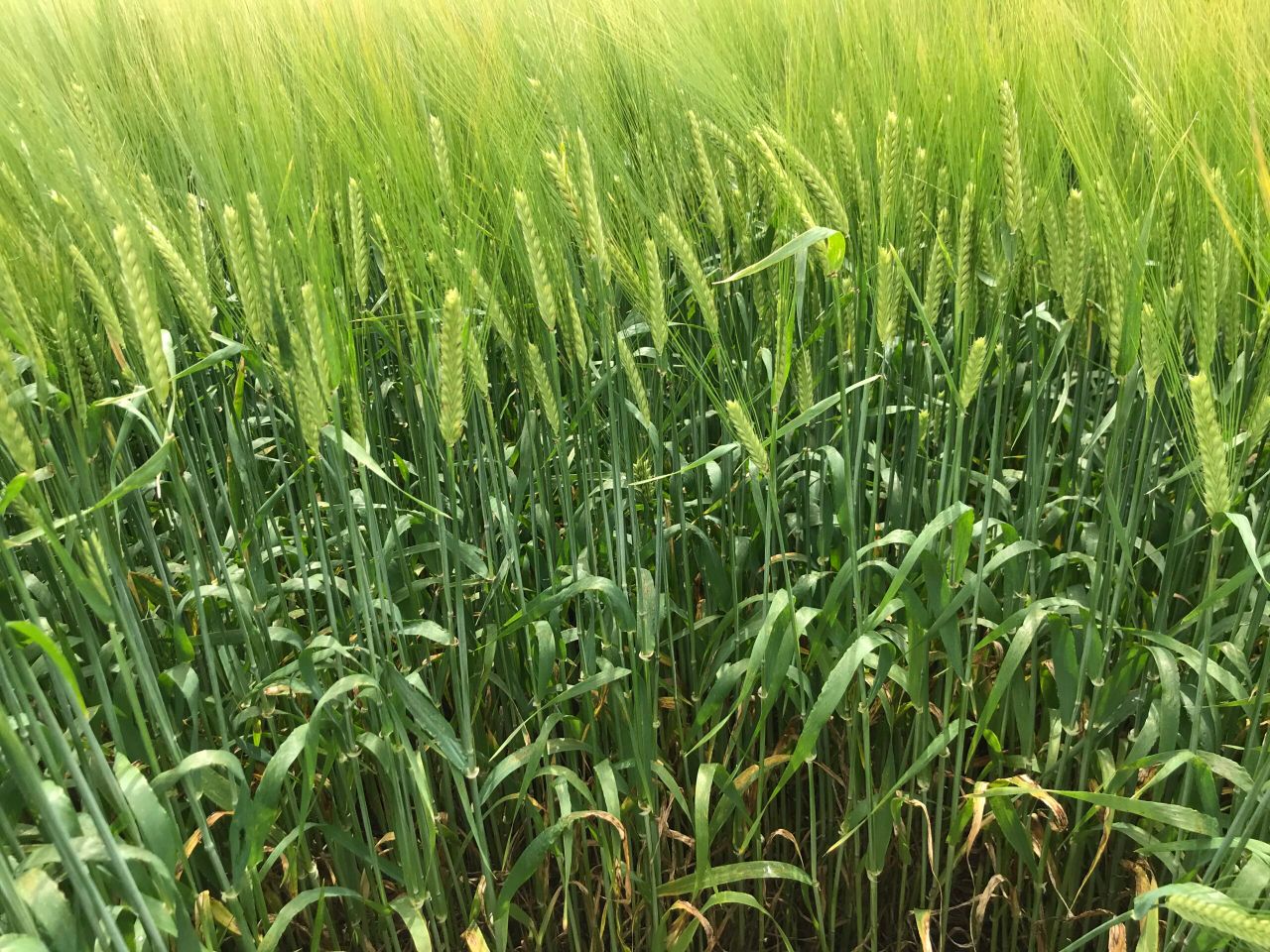
Rothamsted Research is confirming a key breakthrough in developing a ‘gene edited’ barley, which can be used for whole cropping purposes.
Forestry
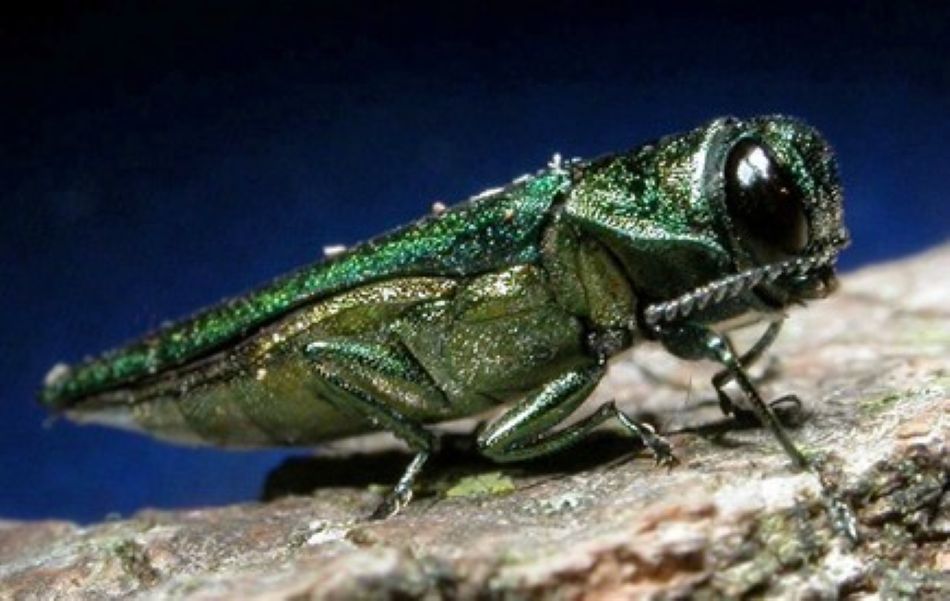
A new study has shown that land managers could play a critical role in slowing the spread of the emerald ash borer if the pest reaches the UK.
N.Ireland
Nearly one fifth of the world’s agricultural land is contaminated by toxic metals, according to a new global study published today.
Beef
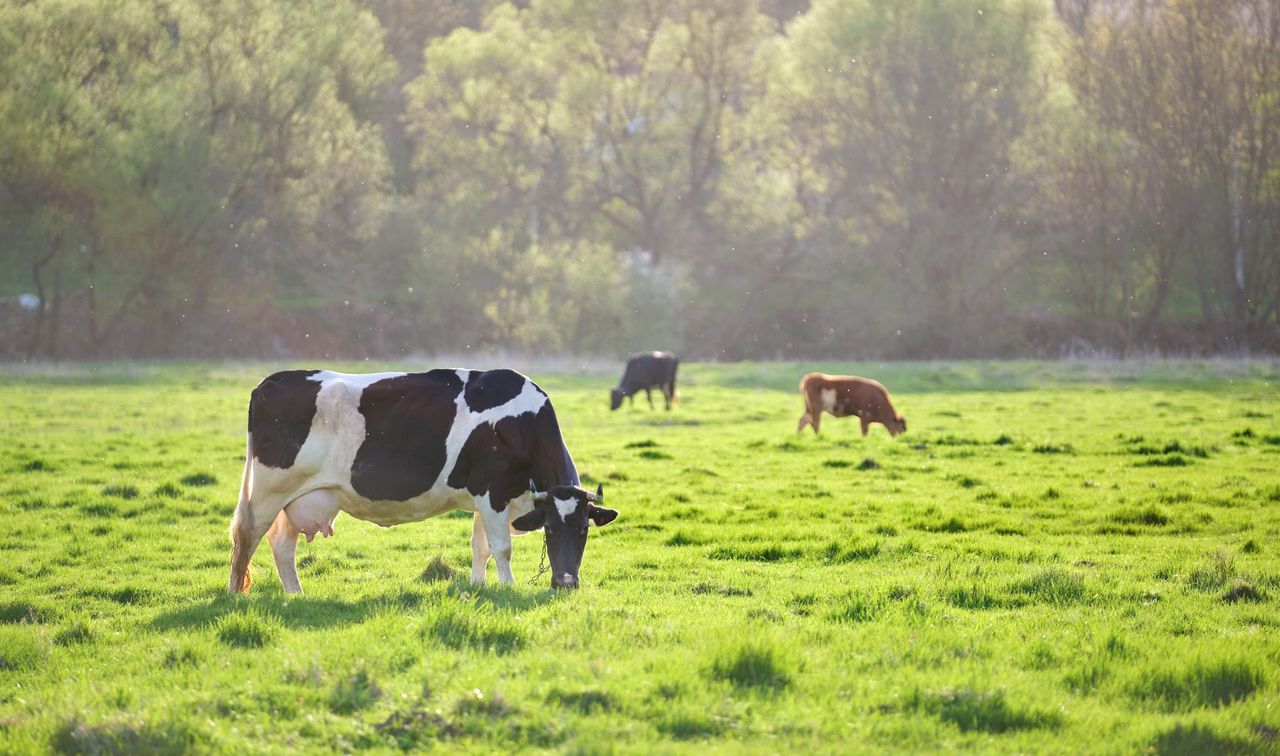
Climate change impacts of UK grass-based beef cattle could be reduced by up to 26% depending on...
Climate impacts of UK grass-based beef cattle could be reduced by up to 26%n, according to a study by Rothamsted Research.
The SHAKE Climate Change entrepreneurship programme secured £845,000 to invest in agri-tech projects aimed at tackling climate change.
Hi-tech optical sensors in fields could provide an effective means of monitoring beetle numbers...
A set of long-term experiments will quantify the exact impact of regenerative agriculture from all...
The threat of insecticide resistance is one that all tillage farmers should be taking very...
A new study has compared genomes across 18 strains of the septoria leaf blotch fungus zymoseptoria...
A study has revealed that a new way of calculating the environmental footprint of foodstuffs leaves...
A comparative study of a fungal pathogen of oilseed rape (OSR) in Europe and China using new genetic markers has just been completed.
Emissions from soil of the potent greenhouse gas (GHG) nitrous oxide (N2O) can be drastically...
A first-of-its-kind analysis of the untapped genetic potential of wheat shows global yields are...
Rothamsted Research has confirmed that it has sown seed of genetically edited (GE) Camelina sativa, a member of the brassica family.
A study of river water quality during one of the UK’s wettest ever winters shows a massive increase in agricultural pollution occurred.
Contradictory EU policies first encouraged and then undermined the farming of oilseed rape in Europe, according to a new analysis.
Rothamsted Research has submitted its responses to the UK government questions on the regulation of gene editing (GE) technologies.
Less than a third of the harvest was lost to weeds in the first ten years of the dataset, but between 2005 and 2014, this had risen to more than half.