Dairy farmers must capitalise on cutting carbon, says agri retailer
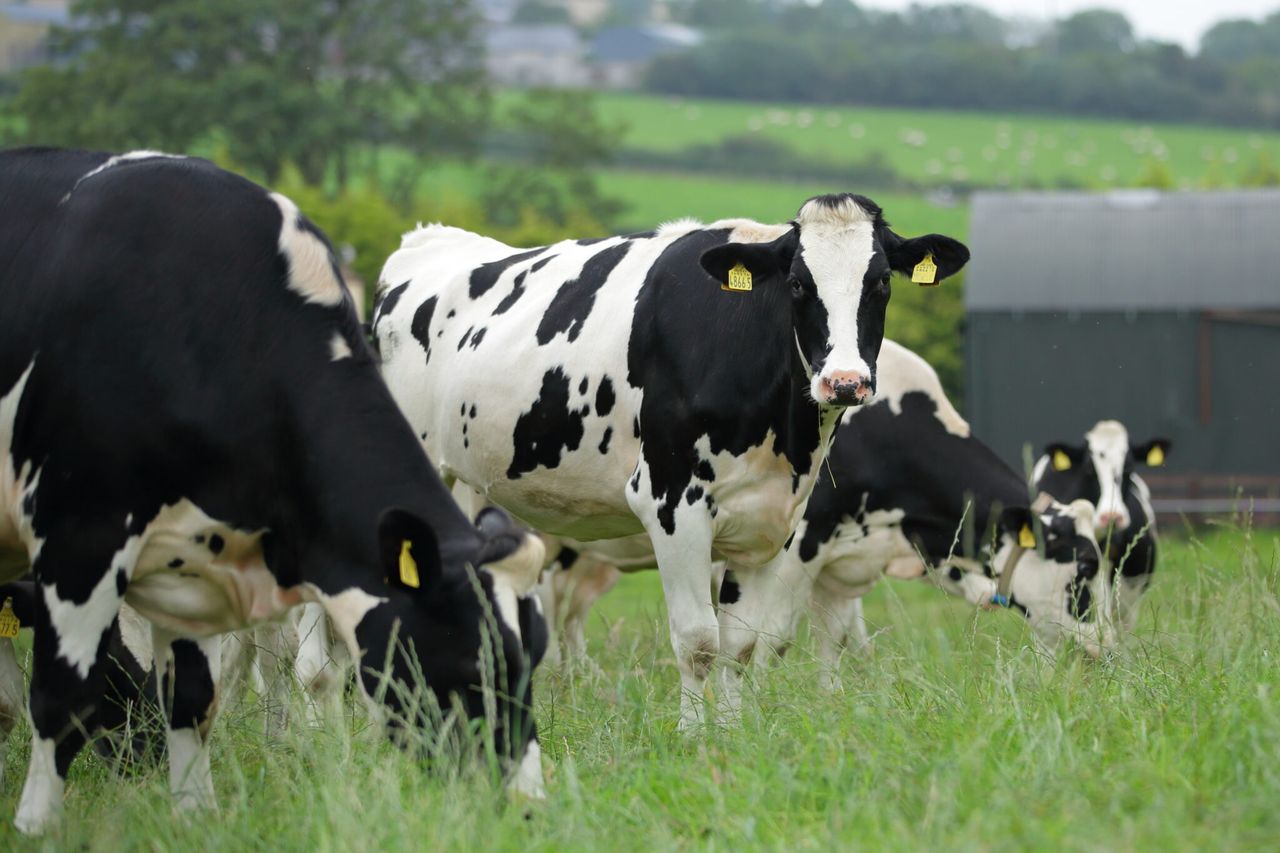
Mole Valley Farmers, an agricultural retailer, has urged dairy farmers to capitalise on cutting carbon on their farms, which would create a "win" for the environment and a farm's bottom line, it said.
Mole Valley Farmers' head of nutrition, Chris Bartram, said small changes could significantly benefit a dairy business's profitability and is something every farmer should be considering.
However, Bartram urged farmers to seek expert advice to ensure any changes they make will have a positive impact on their farm and overall emissions.
"Farmers must add sustainability to the traditional measures of productivity and profitability to get the most from their enterprise," he said.
"There are many ways producers can help reduce emissions on their farms, and they are unlikely to mean significant investments or changes.
Bartram suggested three initial feed-related areas for farmers to consider: feed material sourcing; feed efficiency and protein efficiency.
"When helping formulate rations, we use a unique ration program that allows farmers to see how different feeds influence margins and production," he said.
"It now also includes an environment related section including diet carbon footprint, protein efficiency and methane output.
"We have also developed a dedicated climate-positive impact feed range formulated with no soy or palm products and specified with a low carbon footprint. This will be an easy win for producers looking to cut emissions quickly.”
The best route
Mole Valley Farmers has said it is carrying out extensive research to find the best routes farmers can take to reduce emissions.
"We've been working with the University of Nottingham investigating the impact of dietary protein on heifer performance, growth and the environment," Bartram said.
"On the back of some of this work, we are also developing new dairy feeds including unique compounds with specialist materials like NovaPro protected rape, new heifer products and transition feeds.
"Other initiatives include the declaration of the compound feed carbon footprint on the label and a new buy back scheme for beans."
Reducing a farm's carbon footprint requires a multifactorial plan and is very farm specific, Mole Valley Farmers said.
The Mole Valley Farmers approach, the retailer said, provides expertise in feed, forage and animal health through the specialist nutrition, forage and fertiliser and veterinary teams.
“A joined up coordinated method is very beneficial”, Bartram said.
"Although the task in hand may appear daunting, a what-if, bit by bit, linked approach will reduce emissions and also result in an improvement in a farm's bottom line," he added.